Greece Naphtha Market: Import Trend Analysis
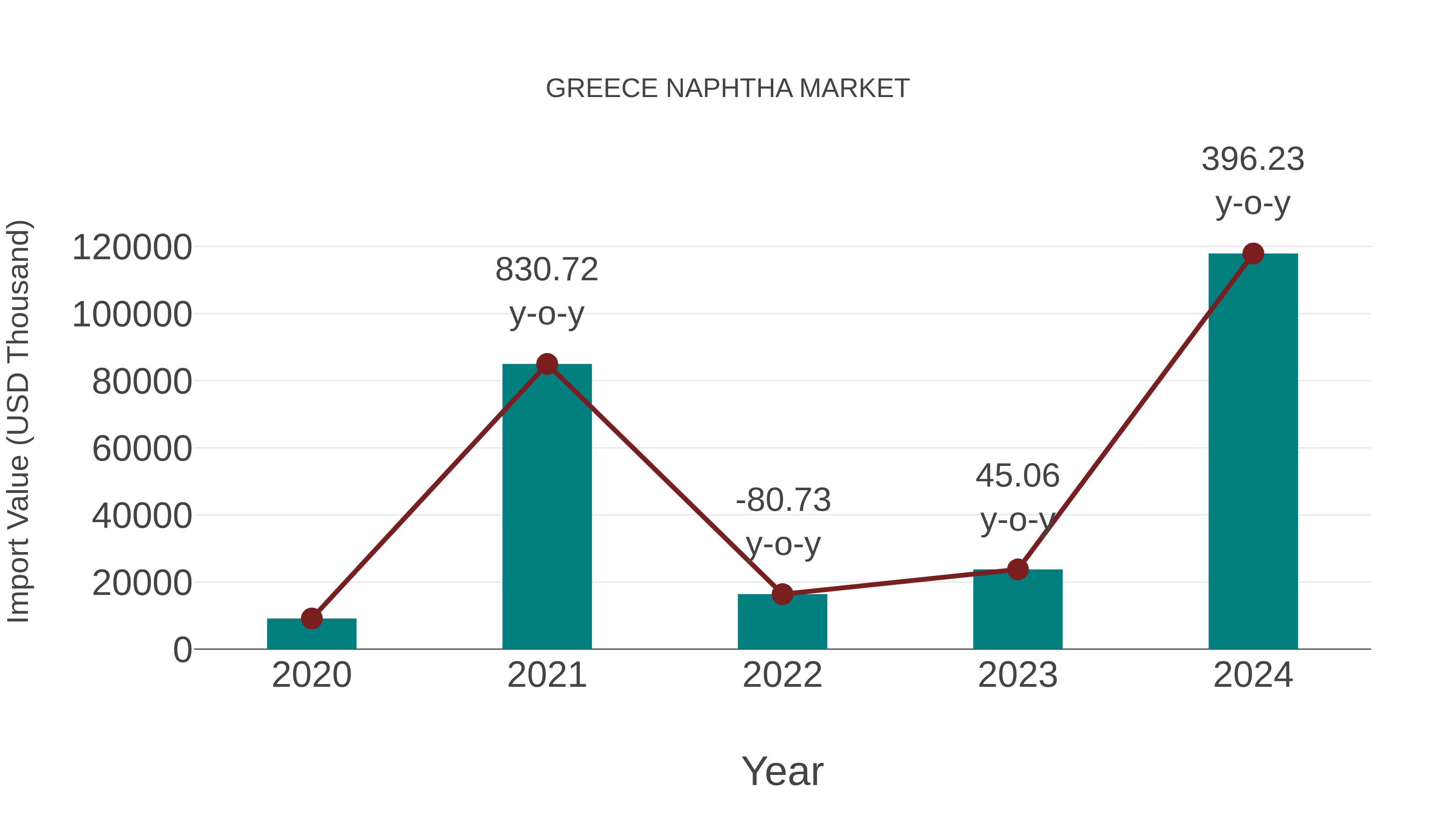
In 2024, Greece naphtha market saw a steady increase in imports. This trend was driven by rising demand from the petrochemical industry. Imports of naphtha into Greece grew consistently throughout the year, reflecting the country`s reliance on this key feedstock for its industrial processes.
Greece Naphtha Market Synopsis
The Greece Naphtha Market is experiencing steady growth driven by factors such as the expanding petrochemical industry, increasing demand for transportation fuels, and the rising popularity of naphtha as a feedstock for various industries. Naphtha is primarily used in Greece for producing gasoline, as well as in the production of petrochemicals such as plastics, resins, and solvents. The market is also influenced by global trends in crude oil prices and the overall economic conditions in Greece. Key players in the Greece Naphtha Market include refineries, petrochemical companies, and traders. As the country continues to focus on diversifying its energy sources and increasing its industrial output, the demand for naphtha is expected to remain robust in the foreseeable future.
Greece Naphtha Market Trends
The Greece naphtha market is experiencing growth due to increased demand from the petrochemical industry for producing plastics and chemicals. The market is also influenced by the growing preference for cleaner fuels, leading to a shift towards lighter naphtha grades. Opportunities in the market lie in expanding refinery capacities to meet the rising demand for naphtha, as well as investing in infrastructure to facilitate naphtha transportation and storage. Additionally, the development of new technologies for naphtha processing and utilization could present innovative opportunities for market players. Overall, the Greece naphtha market is poised for expansion driven by industrial growth and evolving consumer preferences.
Greece Naphtha Market Challenges
In the Greece Naphtha Market, some of the key challenges faced include fluctuating global oil prices, geopolitical tensions impacting supply and demand dynamics, and the shift towards renewable energy sources reducing the long-term demand for naphtha. Additionally, regulatory changes and compliance requirements can also pose challenges for naphtha producers and distributors in Greece. Market volatility and competition from other fuel sources further add complexity to the naphtha market landscape in Greece. Adapting to these challenges by diversifying product offerings, exploring new markets, and investing in research and development for sustainable naphtha applications will be crucial for companies operating in the Greece Naphtha Market.
Greece Naphtha Market Investment Opportunities
The Greece Naphtha Market is primarily driven by the demand from the petrochemical industry for producing ethylene and other chemicals. Naphtha is a key feedstock in the production of ethylene, which is used in the manufacturing of various plastics, resins, and fibers. The growth in the construction and automotive sectors in Greece also contributes to the increasing demand for naphtha for the production of plastics and synthetic materials. Additionally, the demand for naphtha as a fuel in the transportation and power generation sectors further fuels the market growth. Economic factors, such as GDP growth, industrial activity, and consumer demand, also play a significant role in influencing the demand for naphtha in Greece.
Greece Naphtha Market Government Polices
Government policies related to the Greece Naphtha Market focus on promoting energy security, sustainability, and competitiveness. The Greek government has implemented measures to encourage the use of cleaner fuels, such as naphtha, in order to reduce emissions and comply with EU environmental regulations. Policies also aim to attract investment in the energy sector by offering incentives and supporting research and development in alternative energy sources. Additionally, there are regulations in place to ensure fair competition and market transparency, as well as to safeguard consumer interests. Overall, the government is working towards a more diversified and resilient energy market that balances economic growth with environmental concerns in the Greece Naphtha Market.
Greece Naphtha Market Future Outlook
The future outlook for the Greece Naphtha Market appears positive, with steady growth expected in the coming years. Factors such as increasing demand from the petrochemical industry, ongoing investments in infrastructure, and the country`s strategic location for trade are likely to drive market expansion. Additionally, the transition towards cleaner energy sources may create opportunities for naphtha as a feedstock for the production of petrochemicals and plastics. However, challenges such as fluctuating crude oil prices and regulatory changes could impact market dynamics. Overall, the Greece Naphtha Market is poised for growth, supported by rising industrial activities and evolving energy trends.
Key Highlights of the Report:
- Greece Naphtha Market Outlook
- Market Size of Greece Naphtha Market, 2025
- Forecast of Greece Naphtha Market, 2032
- Historical Data and Forecast of Greece Naphtha Revenues & Volume for the Period 2022 - 2032F
- Greece Naphtha Market Trend Evolution
- Greece Naphtha Market Drivers and Challenges
- Greece Naphtha Price Trends
- Greece Naphtha Porter's Five Forces
- Greece Naphtha Industry Life Cycle
- Historical Data and Forecast of Greece Naphtha Market Revenues & Volume By Application for the Period 2022 - 2032F
- Historical Data and Forecast of Greece Naphtha Market Revenues & Volume By Chemicals for the Period 2022 - 2032F
- Historical Data and Forecast of Greece Naphtha Market Revenues & Volume By Energy/Fuel for the Period 2022 - 2032F
- Historical Data and Forecast of Greece Naphtha Market Revenues & Volume By Others for the Period 2022 - 2032F
- Greece Naphtha Import Export Trade Statistics
- Market Opportunity Assessment By Application
- Greece Naphtha Top Companies Market Share
- Greece Naphtha Competitive Benchmarking By Technical and Operational Parameters
- Greece Naphtha Company Profiles
- Greece Naphtha Key Strategic Recommendations






































