Indonesia Spectacle Market Growth Rate Analysis (2025 - 2031)
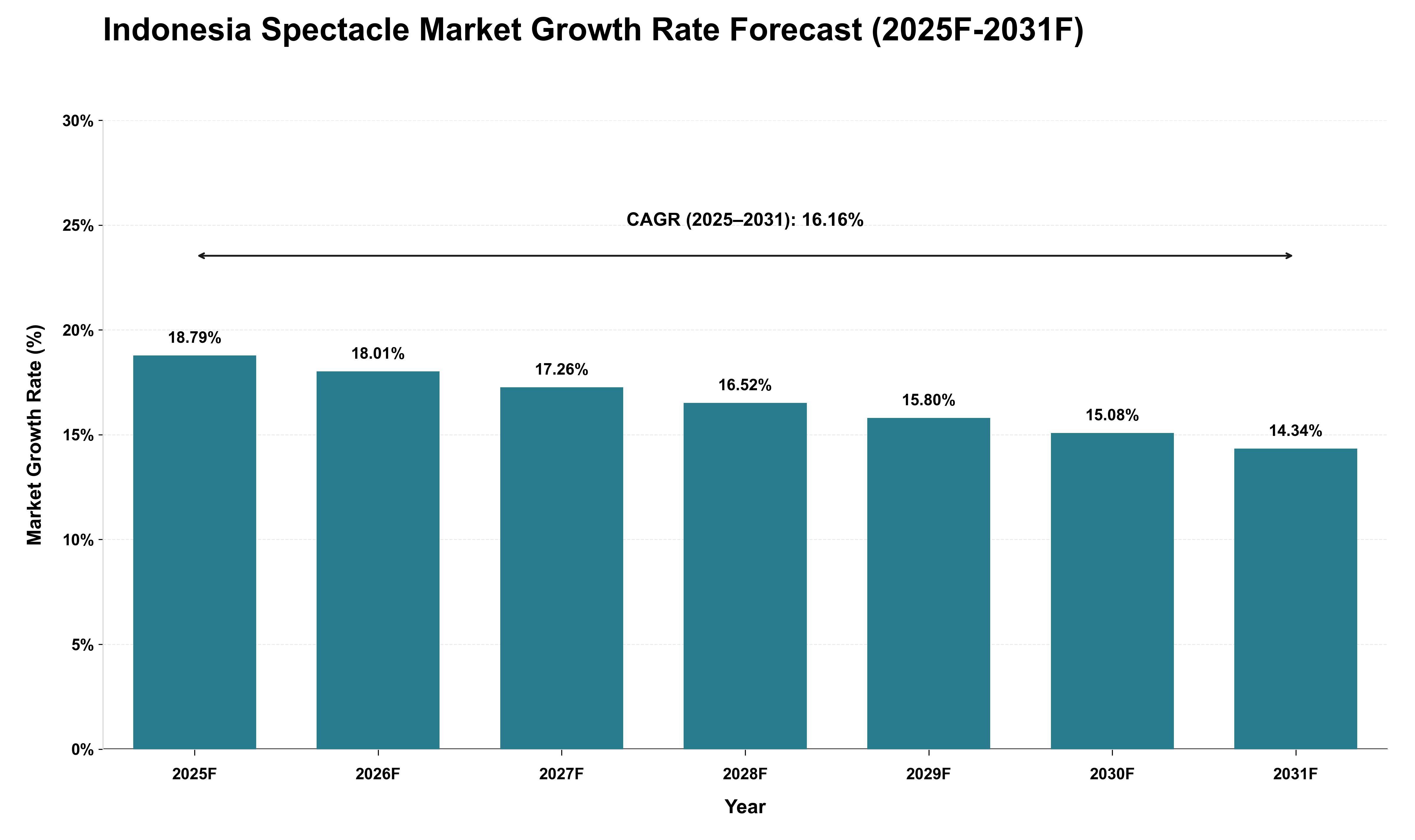
The Indonesian spectacle market is projected to experience a robust compound annual growth rate of 16.16% from 2025 to 2031, driven by increasing consumer demand and evolving fashion trends. The anticipated annual growth rates indicate a gradual decline, reflecting potential fluctuations in raw material availability and pricing dynamics. As the market expands, the reliance on imported materials may intensify, particularly for high-quality lenses and frames, which could lead to increased costs due to global supply chain pressures. Additionally, cyclical trends in consumer spending will likely influence purchasing behavior; as disposable incomes rise, demand for premium spectacles is expected to surge. However, any volatility in raw material prices—stemming from geopolitical tensions or trade policies—could impact profit margins and pricing strategies within this sector. Overall, the interplay between domestic consumption patterns and international supply chains will shape the trajectory of Indonesia's spectacle market during this forecast period.
Key Highlights of the Report:
- Indonesia Spectacle Market Outlook
- Market Size of Indonesia Spectacle Market, 2025
- Forecast of Indonesia Spectacle Market, 2032
- Historical Data and Forecast of Indonesia Spectacle Revenues & Volume for the Period 2022-2032F
- Indonesia Spectacle Market Trend Evolution
- Indonesia Spectacle Market Drivers and Challenges
- Indonesia Spectacle Price Trends
- Indonesia Spectacle Porter's Five Forces
- Indonesia Spectacle Industry Life Cycle
- Historical Data and Forecast of Indonesia Spectacle Market Revenues & Volume By Parts for the Period 2022-2032F
- Historical Data and Forecast of Indonesia Spectacle Market Revenues & Volume By Frames for the Period 2022-2032F
- Historical Data and Forecast of Indonesia Spectacle Market Revenues & Volume By Lens for the Period 2022-2032F
- Historical Data and Forecast of Indonesia Spectacle Market Revenues & Volume By Distribution Channel for the Period 2022-2032F
- Historical Data and Forecast of Indonesia Spectacle Market Revenues & Volume By Online for the Period 2022-2032F
- Historical Data and Forecast of Indonesia Spectacle Market Revenues & Volume By Offline for the Period 2022-2032F
- Indonesia Spectacle Import Export Trade Statistics
- Market Opportunity Assessment By Parts
- Market Opportunity Assessment By Distribution Channel
- Indonesia Spectacle Top Companies Market Share
- Indonesia Spectacle Competitive Benchmarking By Technical and Operational Parameters
- Indonesia Spectacle Company Profiles
- Indonesia Spectacle Key Strategic Recommendations






































