How Will Turkey's Infrastructure Investment and Urbanization Drive Future Bridge Construction Opportunities?
Turkey Bridge Construction Market
Objective
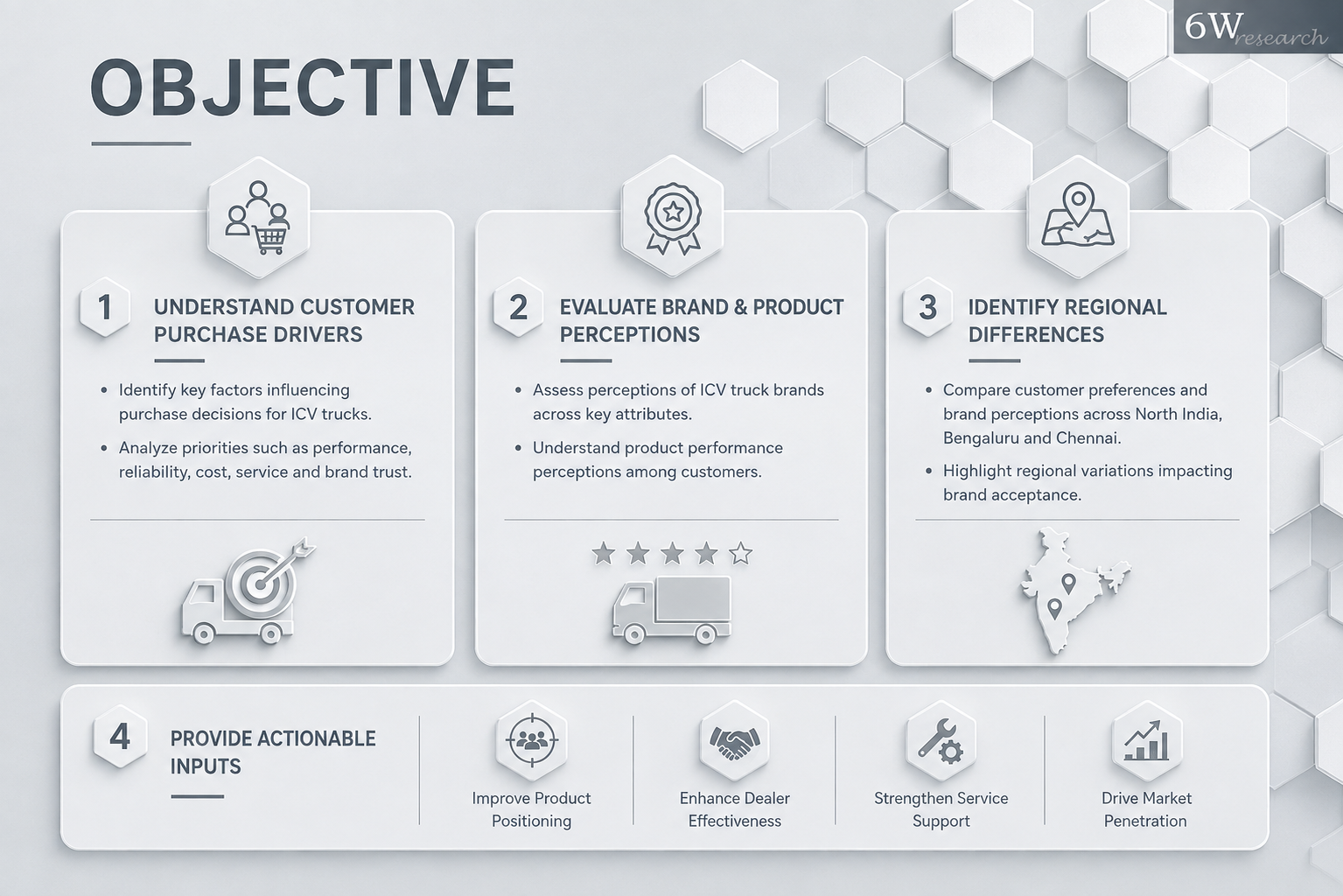
The goal of the study was to bring the Turkey bridge construction industry to 2030 – size, segmentation by type, material and application – and to provide infrastructure developers, government bodies, investors and construction companies with a clear understanding of the trajectory of the project pipeline. But we wanted to look beyond the figures and explore the impact of urbanization, government policy and technology on the sector and how seismic and geopolitical risk are accounted for in project planning.
Business Challenge
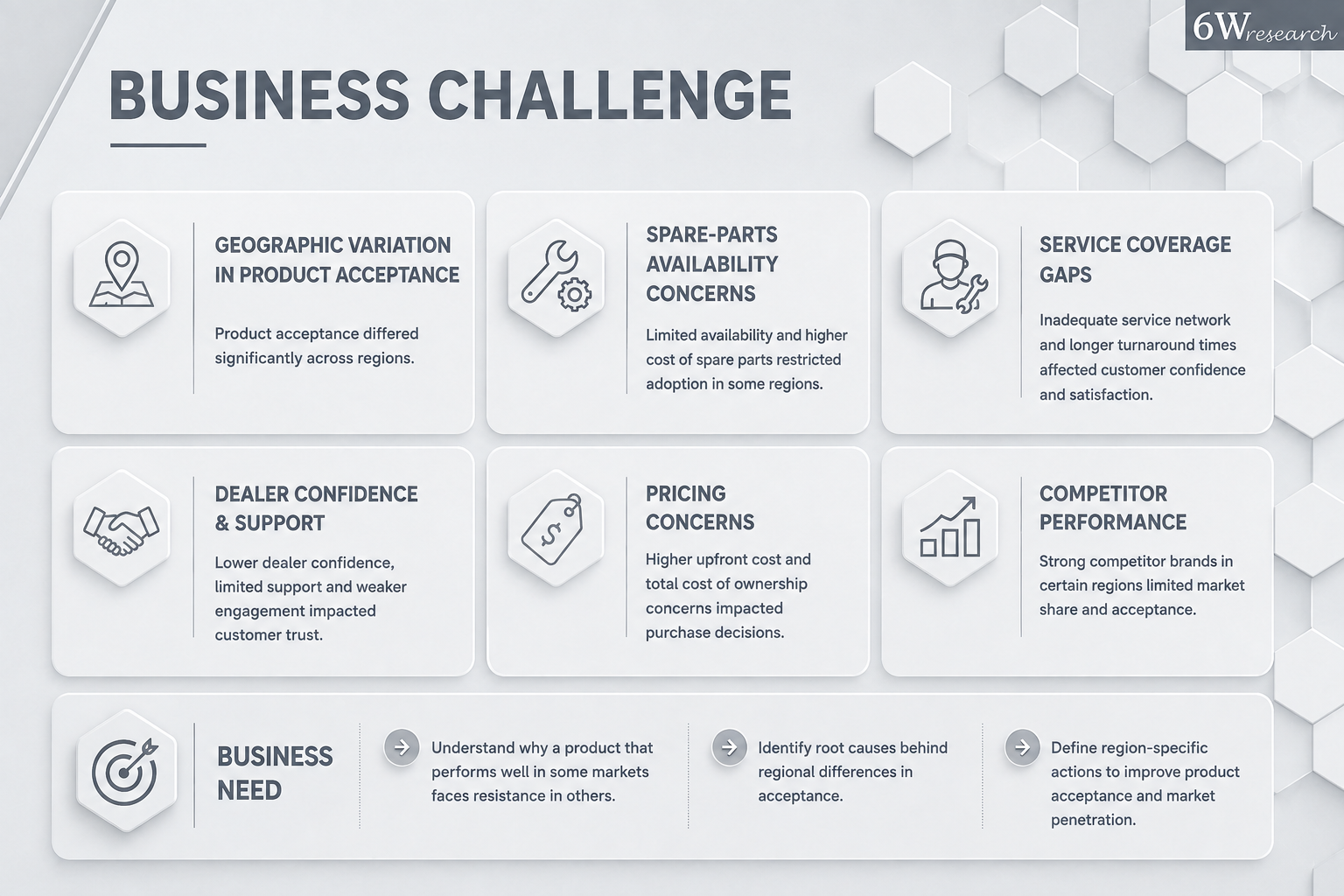
Turkey's bridge sector doesn't sit still, and that's both an opportunity and a complication. Geopolitical uncertainty and economic instability make long-term planning harder than it should be. Urbanization is a genuine tailwind, it's driving real demand for new bridges but that demand runs up against high capital requirements, regulatory hurdles, and a crowded field of domestic and international contractors. Seismic risk is non-negotiable in Turkey; earthquake and flood exposure shapes every design decision and adds real complexity to execution. Add rising material costs and ongoing supply chain disruption, and project timelines and budgets are under constant pressure. Making sense of this market means understanding regional risk profiles and building the right partnerships, not just tracking demand curves.
How We Did It
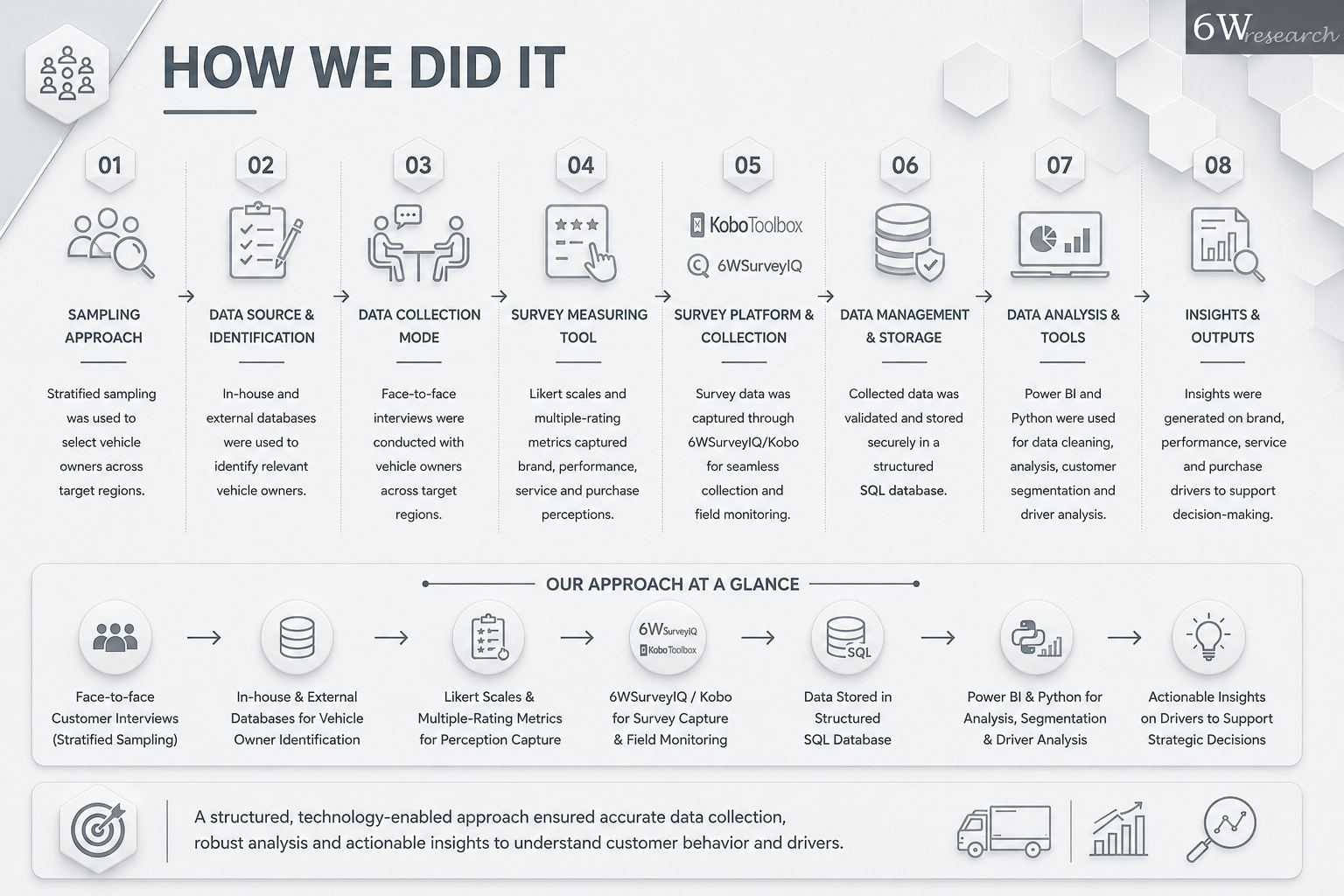
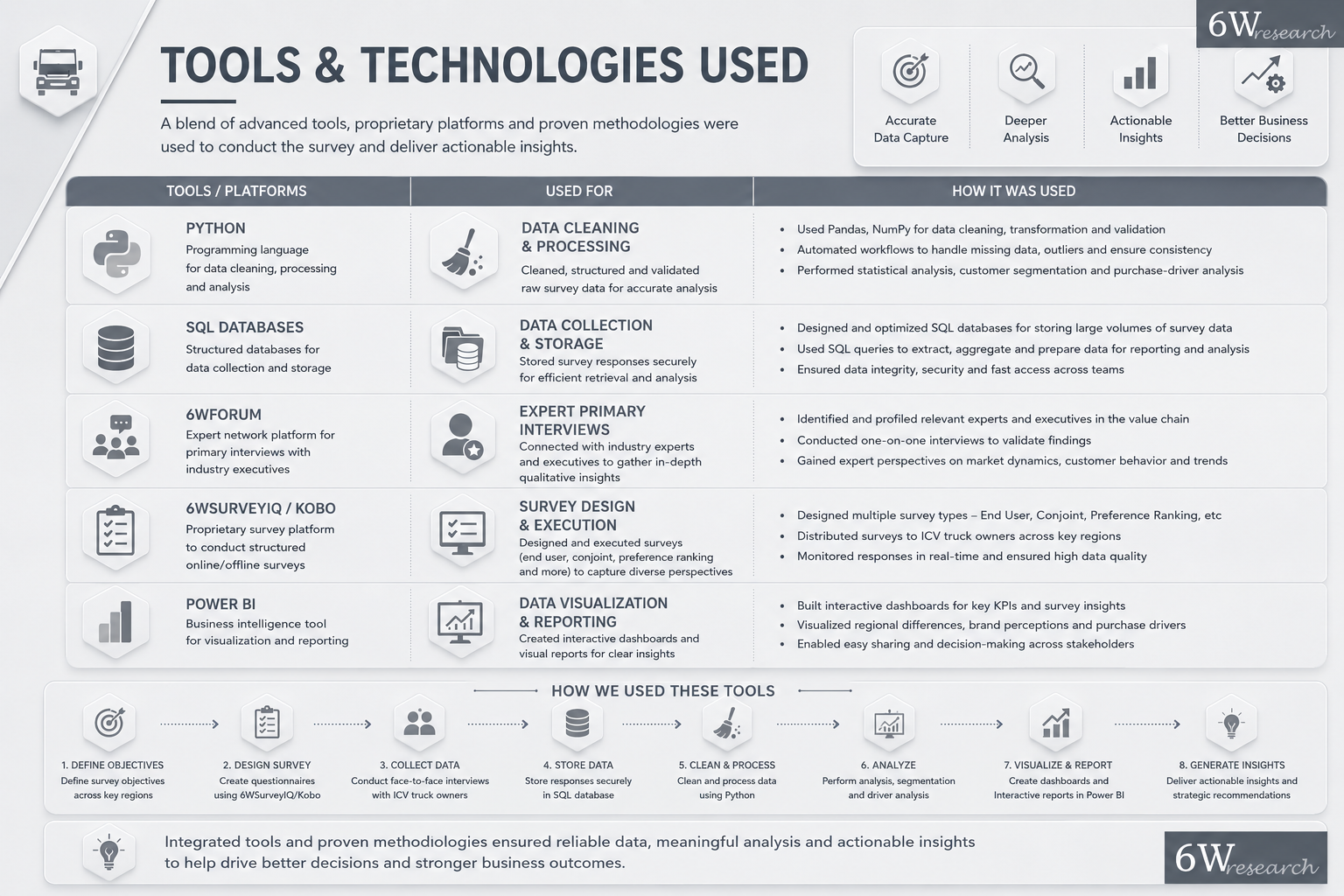
The research blended primary and secondary methods such as proprietary data sources, expert interviews via 6WForum, and a structured framework of desk research paired with data and expert validation to keep the numbers honest. Python handled data cleaning, segmentation, and forecasting; SQL managed structured data retrieval. Market sizing used both top-down and bottom-up models with scenario analysis layered on top, and we pulled in current project pipeline data and government infrastructure plans to ground the forecasts in what's actually being built, not just projected. Power BI dashboards gave the client real-time visibility into KPIs and scenario outcomes.
Key Findings
- The Turkey bridge construction market is projected to grow at a CAGR of 5.9% from 2024 to 2030, driven by government investments and urbanization.
- Steel remains the dominant material, accounting for the largest share in revenue and volume, supported by ongoing mega-projects like the 1915 Çanakkale Bridge.
- Road and highway applications lead the market, with significant expansion planned for motorway networks, increasing bridge demand.
- Cable-stayed bridges are set to dominate future projects due to their cost-effectiveness and suitability for large spans.
- The market is highly competitive, with Limak Construction and Rönesans leading, leveraging advanced technologies and strategic partnerships.
- Seismic resilience and sustainability are key trends, influencing material choices and design innovations.
- Infrastructure projects such as the Istanbul Canal and regional connectivity initiatives are major growth catalysts.
- Geopolitical and seismic risks remain constraints, requiring resilient and adaptive construction solutions.
Findings
Turkey's bridge sector has held up better than you'd expect given the pandemic disruption and natural disasters of the past few years, and revenue is on track to reach meaningful levels by 2030. The 1915 Çanakkale Bridge is a good proxy for what the sector is capable of — large-scale, technically demanding, steel-intensive construction, executed at national ambition scale. Government policy is doing real work here: Vision 2023 and Vision 2030 have both prioritized regional connectivity and urban expansion, and the resulting pipeline — new crossings over the Maritza River, continued Bosporus development — reflects Turkey's broader ambition to become a regional logistics hub. What's driving the growth stage designation is a combination of new construction techniques, a genuine push toward seismic resilience, and increasing use of sustainable materials. Limak and Rönesans are leveraging international project experience to win the larger contracts, which is keeping the competitive bar high.
Urbanization and Turkey's geopolitical position are going to keep pushing the market toward resilient, smart, sustainable bridge design. With the growth of Istanbul and Ankara, there is a growing demand for bridges for intra-city and inter-city traffic. Cable-stayed designs preferred for cost efficiency and flexibility should continue to grow in share with the Agin and Nissibi bridges as reference points. The use of earthquake-resistant design and sustainable materials will continue to be consistent with the broader Turkish vision of sustainability and disaster preparedness. The motorway network's planned expansion to over 31,000 km by 2028 alone should keep bridge construction activity elevated. IoT sensors and smart monitoring are starting to show up in new builds and should become more standard as resilience becomes a stated design goal rather than an afterthought — though seismic and geopolitical risk will remain the constraints that shape how adaptable and modular these solutions need to be.
Business Impact
Steel and cable-stayed bridge segments look like the strongest near-term opportunities, and road/highway applications should remain the largest addressable market. A 5.9% CAGR suggests steady, not explosive, growth — enough to justify sustained investment without needing to chase speculative upside. The focus on seismic resilience and sustainability should directly inform material selection and product development, both to stay compliant and to stay competitive. The visibility we have into the project pipeline and government infrastructure plans points to real windows for early market entry and partnership formation — getting in ahead of tender cycles matters here. Advanced construction technology and smart infrastructure integration can shorten project timelines and control costs, and understanding the seismic and geopolitical risk landscape should inform how resilient and adaptable any proposed solution needs to be. Altogether, this is a market that rewards technical credibility and local partnership over pure scale.


