How Will Taiwan's Aging Population and Biotechnology Expansion Shape Future Cold Storage Demand?
Taiwan Pharmaceutical Cold Storage Real Estate Market
Objective
This is a long-horizon study out to 2045 looking at how Taiwan's pharmaceutical cold storage real estate sector will evolve, broken down by temperature range, operating model, and end-user type. The goal was to give logistics operators, real estate developers, and biotech manufacturers a solid read on where the growth is, how asset values are likely to move, and what regulatory and demographic forces are shaping the sector over the next two decades.
Business Challenge
In the Taiwan pharmaceutical cold storage real estate market, demographics are the biggest restraining factor as country's aging population is driving up demand for biologics and other temperature-sensitive therapies faster than the real estate market can necessarily keep pace with. Land is scarce, rents are climbing, and that combination is squeezing new infrastructure development. On top of that, operators are dealing with workforce shortages and the operational weight of running GDP-compliant, seismically engineered facilities — Taiwan's building codes aren't lenient, and neither are the regulatory standards attached to pharma-grade storage. None of this is cheap to solve: automation and integrated cold-chain technology require real capital, and that's before you factor in the cost of the land itself.
How We Did It
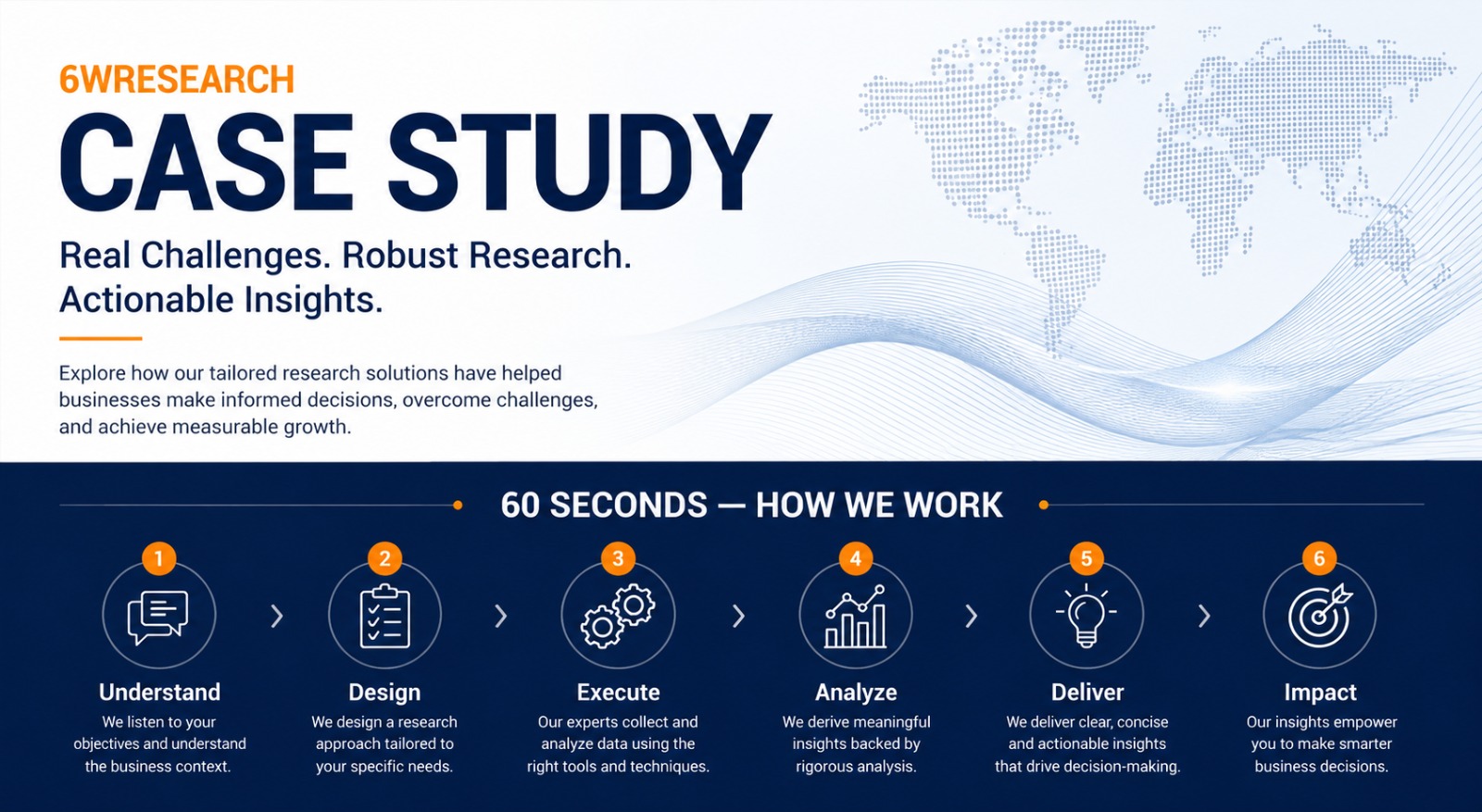
We paired extensive secondary research — industry reports, government data, company disclosures — with primary interviews run through 6WForum, talking directly to biotech firms, logistics providers, and regulators. Market revenue was estimated top-down, then cross-checked with a bottom-up asset valuation model built on our internal analytics platform. We also ran structured surveys through 6WSurveyIQ to get quantitative reads on rental levels, operational costs, and market preferences directly from industry participants. All of that respondent-level data lived in SQL, with Python handling the demand forecasting and segmentation work, and Power BI turning it into dashboards the client could actually use for scenario planning.
Key Findings
- Taiwan’s pharmaceutical cold storage market is projected to grow at a CAGR of 7.5% from 2026 to 2045, driven by aging demographics, biotech expansion, and increased biologics production.
- The ambient temperature segment currently dominates revenue share, with a significant shift towards ultra-low temperature facilities supporting complex biologics and gene therapies.
- Built-to-suit developments are expected to become the leading operating model by 2045, reflecting industry demand for customized, high-specification facilities.
- The biopharmaceutical end-user segment is forecasted to hold the largest revenue share, with CROs and clinical trial sites experiencing the fastest growth due to Taiwan’s rising role as a clinical research hub.
- Land scarcity and rising rental costs are constraining new infrastructure development, prompting a shift towards automation and smart cold storage solutions.
- The market’s asset values are projected to increase steadily, with premium facilities near biotech clusters commanding higher rental premiums and yields.
Findings
The analysis reveals that Taiwan’s pharmaceutical cold storage market is entering a sustained growth phase, with revenues expected to expand significantly over the next two decades. This growth is primarily fueled by demographic shifts, notably the transition to a super-aged society, which will escalate demand for biologics, vaccines, and personalized therapies requiring stringent temperature control. Government support for domestic pharmaceutical manufacturing and R&D is reinforcing that trend from the supply side. What we're seeing in the lifecycle data is a clear move away from generic rented warehouse space toward purpose-built, GDP-compliant facilities — automation, IoT integration, and energy efficiency aren't nice-to-haves anymore, they're becoming baseline expectations. The competitive field is still fairly concentrated among a handful of dominant operators, but new entrants are differentiating through bespoke, high-tech builds rather than trying to compete on scale alone.
Land constraints and the operational complexity of multi-story, GDP-compliant buildings are going to keep pushing the market toward built-to-suit development and automation-first design. The growing elderly population will keep demand for biologics, vaccines, and cell therapies climbing, and that means sustained need for genuinely specialized, climate-controlled space. Taiwan's clinical research ambitions are also fueling faster growth specifically in CRO-focused storage. IoT-based monitoring, predictive maintenance, and digital compliance tools will become table stakes for staying competitive and compliant — and as all of this plays out, expect asset values and rental premiums to keep climbing, particularly for anything near a biotech park or major manufacturing hub.
Business Impact
The clearest opportunities sit in ultra-low temperature and CRO-focused facilities — both align with where demographic and technological trends are pointing. A 7.5% CAGR over this timeframe signals durable, long-term growth, which should steer investors toward premium assets near biotech clusters and logistics hubs rather than chasing lower-cost, less strategic locations. Built-to-suit and automation-driven development look like the more defensible plays for value creation, particularly given how tightly regulatory compliance is tied to operational efficiency in this sector. Understanding current rental and construction cost benchmarks will sharpen pricing and capital planning, and the asset value forecasts here should feed directly into portfolio diversification decisions. Overall, this points toward a real, sustained opportunity in Taiwan's pharmaceutical logistics real estate space — provided the play is targeted rather than broad.


