How Will Urbanization and Sustainability Trends Shape the Future of the Philippines Wall Covering Market?
Philippines Wall Covering Market
Objective
This study set out to map how the Philippines' wall covering market is likely to evolve between 2025 and 2031 — looking closely at overall market size, the forces driving growth, how demand splits across product types and end-user categories, who the major players are, and where the next set of opportunities will emerge. The intent was to give manufacturers, distributors, investors and policymakers a working reference for decisions around entering the market, developing new products, and prioritising investment. Alongside the numbers, we looked at consumer preferences and regulatory pressures to flag high-growth pockets — eco-friendly finishes and tech-enabled coverings among them — and to understand how demand differs by region and by sector. Residential, commercial and institutional buyers all fall within scope, with particular attention paid to urbanisation, infrastructure build-out and the sustainability agenda shaping the built environment. The end goal was to help clients sharpen their product portfolios, strengthen their competitive footing, and act on opportunities tied to government infrastructure spending, green building codes and shifting lifestyle preferences — ultimately supporting sound, long-term planning across the industry.
Business Challenge
Several forces are pulling the Philippines wall covering market in different directions at once. Urbanisation and infrastructure spending are expanding the opportunity, but they're also raising the bar on quality and driving up competition among a fragmented mix of local and international suppliers. Imported premium materials carry a real cost penalty, and the tropical climate doesn't help — heat and humidity accelerate wear on many conventional products, pushing demand toward weather-resistant, eco-friendly alternatives that tend to be pricier and harder to source locally. Environmental rules add another layer of complexity, ruling out certain formulations outright. On the ground, supply chains remain vulnerable to disruption, and building genuine brand recognition is hard in a market where players compete on price as much as on quality. There's also growing appetite for customised, high-performance and technology-enabled products, which means real investment in R&D — investment that's difficult to justify when developers and end-consumers remain highly price-sensitive. Taken together, these pressures make it harder for companies to plan confidently or price for the premium end of the market.
How We Did It
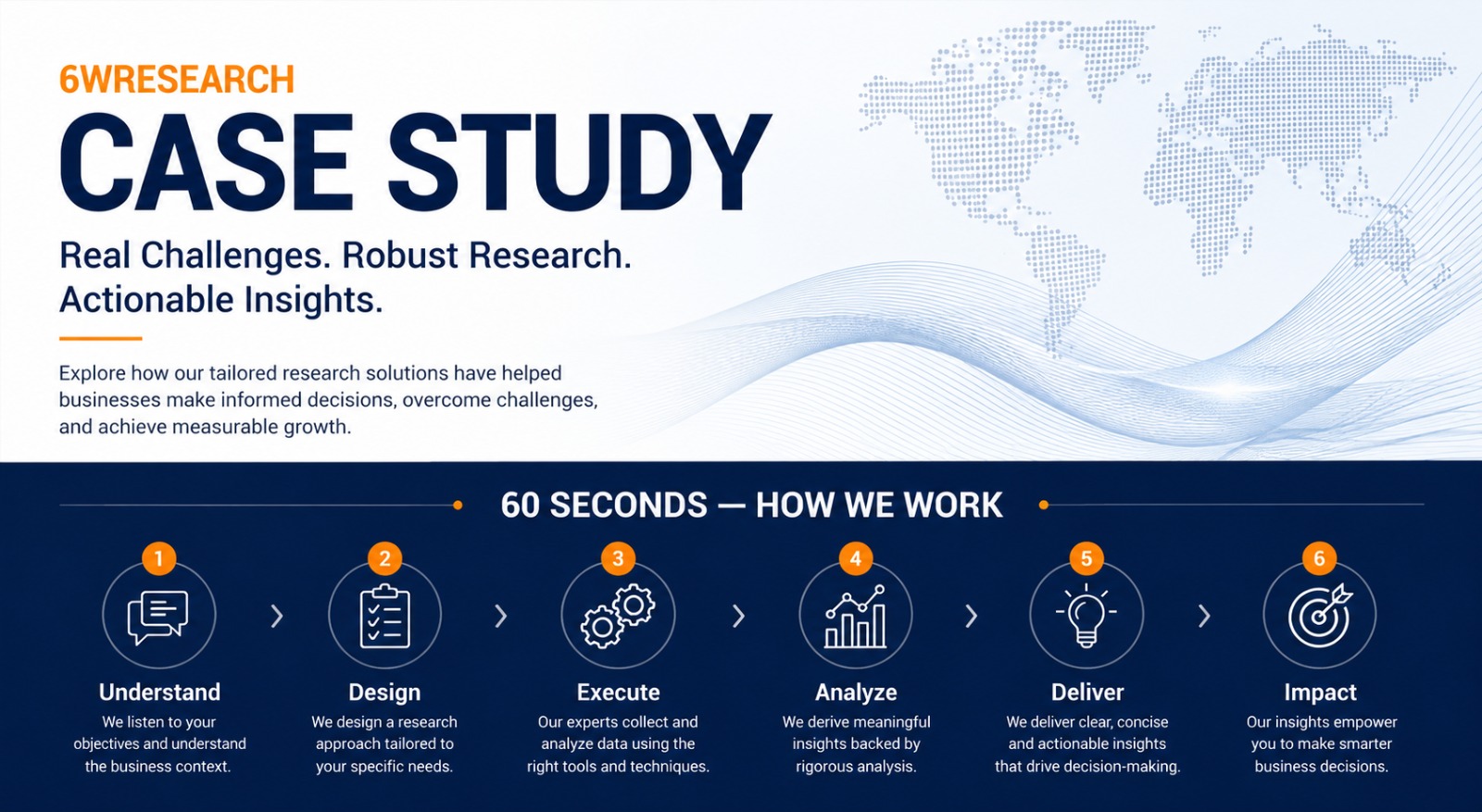
We built this study on a mix of primary and secondary research, drawing on 6Wresearch's own research infrastructure. 6WSurveyIQ handled structured data collection from the field, giving us a quantitative base to work from, while 6WForum was used to run interviews with industry leaders, developers and government officials — a way of pressure-testing our assumptions and picking up qualitative colour that survey data alone wouldn't capture. On the secondary side, we worked through industry reports, company filings and trade publications, cross-checked against our in-house database. Python handled the heavy lifting on data cleaning, segmentation and trend work, with SQL managing the larger respondent datasets. Market sizing and demand forecasts came out of regression and time-series modelling, layered with macroeconomic indicators and known infrastructure pipeline data. Power BI and Tableau were used to turn the analysis into dashboards clients can actually use for ongoing tracking and scenario planning, rather than a static report that goes stale after six months.
Key Findings
- Revenue is expected to grow at roughly 4.8% CAGR and volume at 3.5% between 2025 and 2031, with urbanisation, infrastructure projects and sustainability policy all pulling in the same direction.
- Tiles and cladding will keep the largest slice of revenue, while paints and coatings — cheaper and used far more widely — will lead on volume.
- Residential remains the biggest end-user category, helped along by government housing programmes and rising household incomes that support spending at both the value and premium ends.
- Eco-friendly and tech-integrated coverings are the segments to watch, as regulation tightens and buyer preferences shift.
- The market stays fragmented — Mariwasa on the local side, Saint-Gobain and Arte International among the international names — with everyone competing on innovation, quality and sustainability credentials rather than price alone.
- Infrastructure projects — airports, hotels, commercial developments — will keep demand for durable, high-spec coverings elevated, especially at the premium end.
- Digital marketing and AR visualisation tools are starting to shape what consumers actually choose, pushing brands toward more experiential ways of engaging buyers.
Findings
Between 2021 and 2024 the market clawed back lost ground and then some, helped by a construction rebound after the pandemic, the government's 'Build, Build, Build' push, and a steady flow of foreign investment out of China and Japan. Growth in residential, commercial and hospitality building — concentrated in Metro Manila, Cebu and Davao — fed directly into demand for interior finishes. Tiles and cladding took the largest revenue share in 2024, largely because they hold up well in a tropical climate and still look good doing it. Paints and coatings, cheaper and used across almost every project type, led on volume. Underneath the headline numbers, consumer awareness of design trends, eco-friendly materials and smart-home features has been rising, nudging demand toward more innovative, higher-performing products. The market is still fragmented and still fairly early in its growth cycle: local manufacturers are building out distribution while international entrants differentiate on sustainability. The outlook stays positive — continued infrastructure spending and urbanisation should keep demand up, and green building rules will likely speed adoption of eco-friendly options.
Filipino consumers are gravitating toward wall coverings that are customisable, sustainable and, increasingly, tech-enabled — a shift underpinned by rising disposable income and heavy digital influence on buying decisions. Smart-home adoption is part of the story: with smart-device ownership expected to reach over 4 million households by 2026, there's real demand for finishes that double up as soundproofing, energy-saving or IoT-connected surfaces. The expanding middle class and urban households are also willing to pay up for designer finishes — textured wallpapers, 3D panels, recycled wallpaper, bamboo panelling. On the commercial side, experiential retail, themed hospitality and green-certified offices are all adopting more immersive and sustainable finishes as part of how they present themselves to customers. Social media and AR visualisation tools are playing an outsized role in purchase decisions, letting buyers preview a finish in their own space before committing. In response, manufacturers are putting more into R&D, chasing products that deliver on both looks and function — positioning themselves for the high-end and smart-interior end of the market.
Business Impact
This research gives industry players a clearer basis for reshaping their product portfolios around the segments actually growing — eco-friendly, smart and customisable coverings chief among them. With revenue CAGR at 4.8% and tiles, cladding and specialty finishes leading the way, there's a fairly clear roadmap for where product development should be focused. Manufacturers looking to grow share in residential and commercial building — particularly in the major urban centres — now have a basis for building out differentiated offerings and stronger distribution. Given how much weight sustainability and smart features are carrying, R&D spend and eco-certification will matter more than ever for meeting both regulation and buyer expectations. The segmentation work here should also help sharpen marketing — digital engagement and AR tools especially — aimed at the more tech-savvy, environmentally conscious segment of buyers. And with a clearer read on the competitive field and regional demand, companies are better placed to prioritise markets and build the right partnerships with developers, architects and distributors. In short: better information, fewer surprises going in, and a stronger basis for aligning product development with where the industry is actually headed.


