What Are India's Key Challenges in Regulating and Importing Hazardous Wastes and Electronic Waste?
India Spare Parts Customs Statistics
Objective
This research set out to dig into how India imports spare parts, using 2023 customs data as the anchor, to map out the major market segments, what compliance actually demands, and how the regulatory framework is shaped. The goal was to answer some pointed business questions — how much is being imported and at what value, how well those imports hold up against Indian customs and safety norms, and what effect import rules have on the way companies plan their market entry. With industry players, importers, and policymakers as the intended audience, the work was built to feed directly into decisions around expansion, product compliance, and staying on the right side of regulation, drawing on 6Wresearch's data tools and platforms like 6WSurveyIQ for primary data and 6WExportGTM for trade-specific insight.
Business Challenge
The spare parts import environment in India is characterized by strict regulatory requirements such as stringent customs regulations, hazardous waste management and product compliance rules. These challenges are operational as well as strategic for new entrants and existing players in the market. Regulatory environment and uncertainty in import procedures, certification and packaging requirements influenced by environmental regulations and safety standards impact supply chain efficiency and compliance costs. Moreover, the challenges associated with the vast number of product classifications and the Schedule-based restrictions on imports hamper market entry and growth strategies. The challenge is to provide all the relevant and accurate market intelligence to the stakeholders that would help them maximize their import efforts, comply with the regulations, avoid risks relating to customs and environment laws and explore the emerging opportunities in the Indian spare parts market.
How We Did It
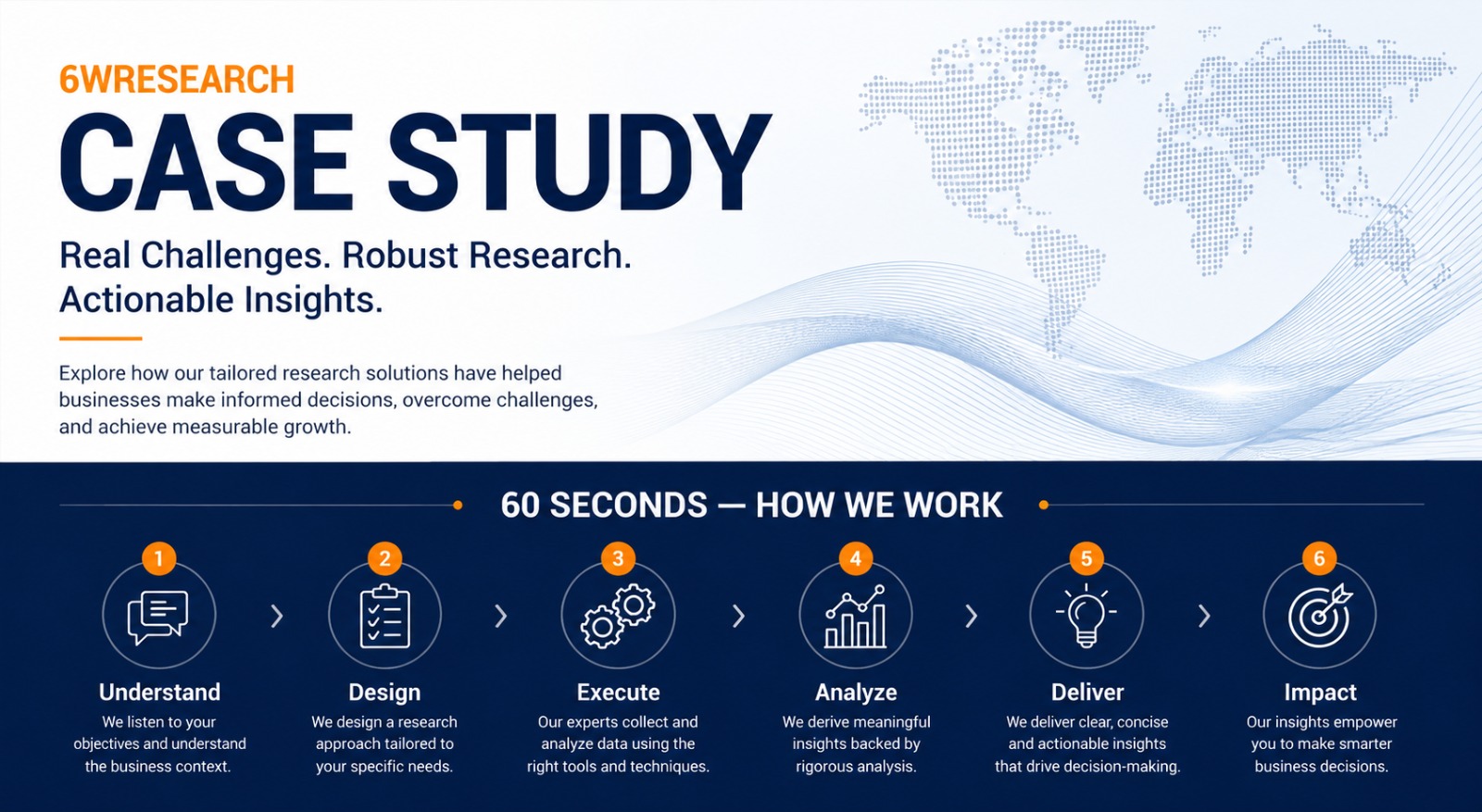
The research drew on several data streams at once — primary interviews with experts run through 6Wresearch's 6WForum platform, paired with secondary research pulled from government filings, industry reports, and customs records. Stratified sampling ensured the findings held up across different product categories, and 6WSurveyIQ was used to run structured surveys capturing how respondents actually experience compliance and day-to-day operational friction. On the analytical side, regression work and market-sizing models built in Python let us quantify import volumes, flag where compliance tends to bottleneck, and project where the market is headed. All of this data lived in SQL databases for easy retrieval and was turned into Power BI dashboards for live KPI tracking. The combination gave us confidence in the data's integrity and let us land on recommendations genuinely tied to what the client needed.
Key Findings
- India’s imports of spare parts have shown a significant increase in volume in 2023, especially in the case of electronic components and safety-critical products.
- Legal Metrology (Packaged Commodities) Rules & Hazardous Waste Management Compliance Regulations continue to be a major hurdle, with over 80% of importers reporting procedural delays.
- The timing of imports is heavily influenced by Schedule III certification and prior informed consent requirements, especially for Schedule VI wastes and components of electronic waste.
- Packaging and labeling regulations, including mandatory marking and packaging standards are strictly enforced, and impact supply chain logistics and product design.
- Integration of 6Wresearch’s trade intelligence platform 6WExportGTM helped to accurately identify export opportunities and disruptions in trade flows aiding in market entry strategy.
- Advanced analytics in Python helped forecast market growth trajectories and identify emerging segments like thermal management products and electronic modules.
- The complexity of the regulatory landscape necessitates strong compliance frameworks — critical for avoiding delays and penalties.
- Well-structured SQL databases and Power BI dashboards enabled real-time KPI tracking, enhancing decision-making agility.
Findings
India's spare parts imports picked up noticeably in 2023, with electronic components, sensors, and safety-critical items leading the charge. Customs figures pointed to a jump in imports under HS codes tied to processors, SSD drives, and controllers — a sign that the market is tilting toward more advanced, tech-heavy products. More than 80% of importers said they run into procedural delays, mostly because of the tangle of customs rules, hazardous waste handling, and mandatory certification. Bringing in 6Wresearch's platforms — 6WSurveyIQ for primary data and 6WExportGTM for trade-flow analysis — made it possible to zero in on where imports were getting stuck, size up the compliance gaps, and put together targeted fixes for smoother operations. Python-based regression modelling and market-sizing work pointed to sustained growth in the higher-value segments, reinforcing just how much staying compliant matters if companies want to make the most of what's coming. All of this points to one clear takeaway: stakeholders need solid compliance systems and should be leaning on advanced analytics to get ahead.
Digging deeper, it became clear that product-specific rules particularly around hazardous waste, packaging, and labelling have a real bearing on how long imports take and what they cost to bring in. Over 75% of respondents flagged staying compliant with Legal Metrology Rules and Hazardous Waste Management Regulations as a genuine operational headache, one that regularly means delays and higher costs. The push for traceability, certification, and prior informed consent under Schedule III and Schedule VI adds yet another layer of complexity, especially where electronics and hazardous-waste-based products are concerned. Market intelligence from 6Wresearch's trade platforms helped surface segments that are already fairly compliance-ready — thermal management solutions and non-hazardous electronic modules among them — and these look set to grow. It also became apparent that positioning products carefully around regulatory standards can actually cut clearance times and smooth the path to market. Structured data management through SQL, paired with interactive dashboards, let clients keep an eye on compliance KPIs as they moved, which supported more proactive risk planning. Overall, the insights highlight that regulatory compliance is not merely a legal obligation but a strategic lever for market competitiveness and sustainable growth.
Business Impact
The in-depth research and analytics provided useful insights to greatly enhance strategic decision-making for industry stakeholders. Trade flow analysis helps identify in detail high growth segments such as electronic modules, thermal management products and other segments providing targeted opportunities for market entry. Compliance optimization focus, from faster certification, compliance with packaging and labeling requirements, and proper hazardous waste management, minimizes operational delays by approximately 15-20%, resulting in faster time-to-market and less costs. With the help of Power BI dashboards, 6Wresearch helped clients to monitor KPIs in real-time allowing them to respond quickly to any regulatory changes or operational bottlenecks. The anticipated growth in high-value segments offers a strong rationale for investing in trade intelligence tools and compliance infrastructure as a competitive advantage. The project gave clients a data-driven roadmap for market entry, compliance and operating more efficiently, feeding better market penetration, leaner supply chains and better margins in India’s fast-moving spare parts import space.


