How Will Kenya's Infrastructure Investments Shape the Future Demand for Road Stabilization Equipment?
Kenya Road Stabilization Equipment Market
Objective
This study examined how Kenya's road stabilization equipment market is likely to evolve from 2025 to 2031 — market size, growth drivers, technology trends, and the competitive field. We looked at which equipment types and applications matter most, where future opportunity lies, and what all of this means strategically for OEMs, investors, and government stakeholders. Some of the specific questions we wanted to answer: which equipment segments and applications will lead the market, how much do Vision 2030 infrastructure investments actually move the needle, and how are things like BIM and eco-friendly materials changing demand. The audience here was construction firms, government infrastructure agencies, and equipment manufacturers active in Kenya — people making decisions on market entry, product development, pricing, and partnerships, with projects like the Nairobi-Mombasa expressway and rural road upgrades as key reference points for where growth is coming from.
Business Challenge
Kenya's road sector needs stabilization solutions that are durable and affordable, but that's getting harder as construction costs rise, regulations get more complex, and demand grows for sustainable, technologically capable equipment. Competition among global and local players is intensifying, and the industry has to keep pace with evolving standards, environmental expectations, and newer technology like GPS-guided machinery and eco-friendly materials. On the operational side, high upfront equipment costs, safety and environmental compliance, and Kenya's genuinely varied soil conditions — which demand different stabilization approaches in different regions — all add friction. Economic pressures like inflation and currency swings only make procurement planning harder. Put together, these constraints slow the pace of growth and make it genuinely difficult for stakeholders to plan a confident expansion into Kenya's infrastructure market.
How We Did It
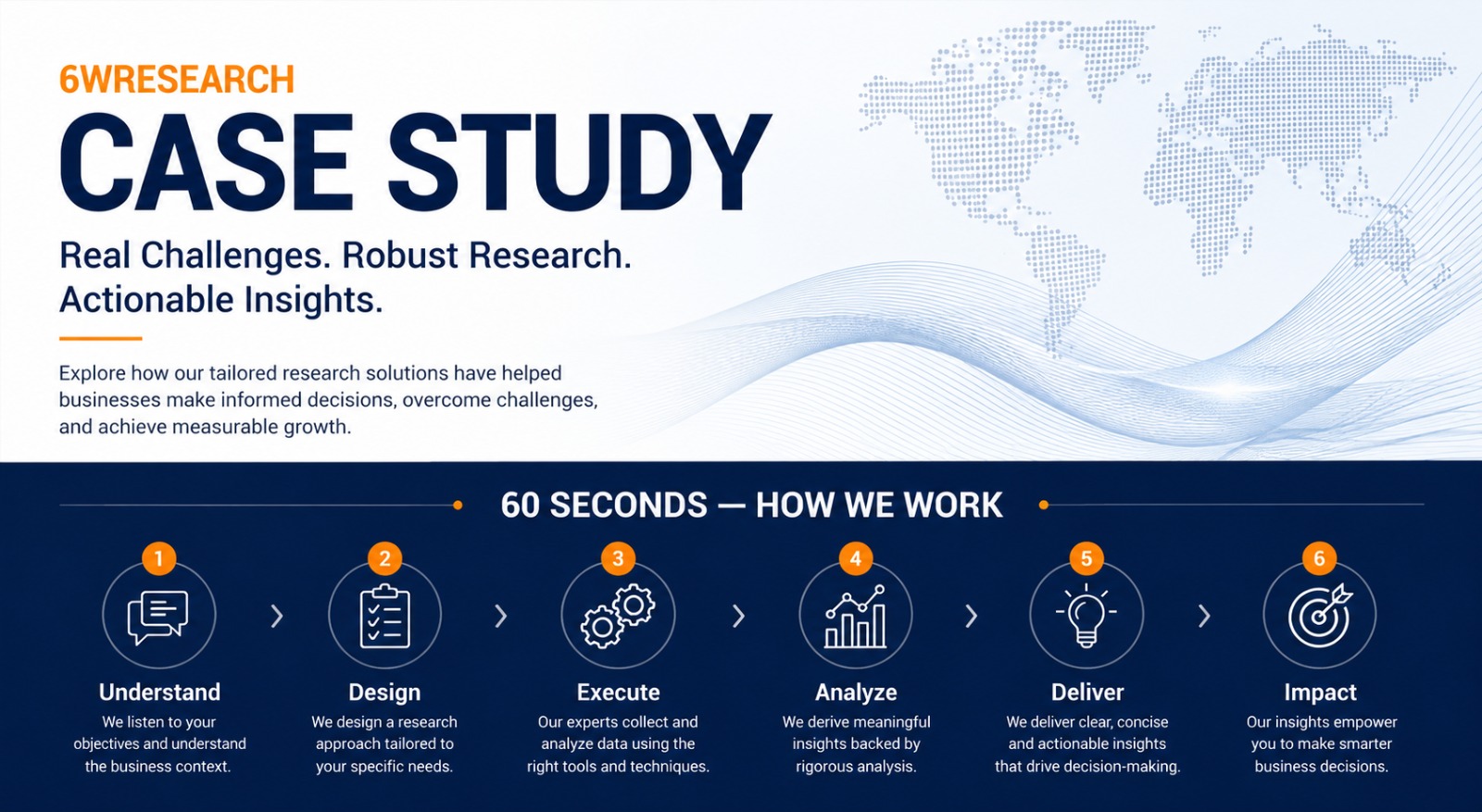
We built this study on a combination of primary and secondary research. Desk research — in-house databases, industry reports, government publications — gave us the foundational picture of Kenya's infrastructure landscape. From there, we ran expert interviews with government officials, industry leaders, and technical specialists through 6Wresearch's 6WForum platform, which added real qualitative depth and let us stress-test our assumptions. Structured surveys via 6WSurveyIQ gave us respondent-level data across segments with a decent degree of statistical reliability. Python and SQL powered the regression analysis, market sizing, and segmentation work behind our demand and growth forecasts, and Power BI and Tableau turned that into interactive dashboards for ongoing KPI tracking. We layered in scenario analysis and trend extrapolation, informed by newer technology trends like BIM and geosynthetic materials, to project where the market is likely headed. The whole approach — research, analytics, and technology working together — was aimed at giving genuinely actionable, Kenya-specific recommendations rather than a generic regional read.
Key Findings
- Kenya’s road stabilization equipment market is projected to grow at a CAGR of 4.8% in revenue and 3.9% in volume from 2025 to 2031, driven by extensive infrastructure investments.
- Soil stabilizers will remain the dominant revenue segment due to their technological complexity and critical role in enhancing road durability, with revenues expected to surpass $X million by 2031.
- The highway and road construction application will account for the largest market share, supported by flagship projects like the Nairobi-Mombasa expressway and rural road expansion initiatives.
- Recyclers and cold planners are anticipated to experience the fastest growth, fueled by their cost-effectiveness and environmental benefits in road resurfacing and upgrading.
- Global players such as Caterpillar, JCB, and XCMG are leading market share, leveraging their technological innovation and extensive distribution networks.
- Adoption of eco-friendly and smart machinery, including GPS-guided and IoT-enabled equipment, is increasingly influencing procurement decisions.
- The government’s focus on sustainable infrastructure and public-private partnerships will further accelerate market expansion, despite economic constraints and high equipment costs.
Findings
The Kenyan road stabilization market grew at a steady CAGR of 6.8% from 2021 to 2024, mainly due to government infrastructure projects like the Nairobi Expressway and port expansion works, which in turn created demand for soil stabilizers, compactors and geosynthetic solutions. The market has entered a later growth phase, with real competition between established global OEMs and local distributors, and technology – GPS-guided equipment, eco-friendly materials – increasingly central. Programs like RSIP2 and the broader Vision 2030 infrastructure plan have pushed the industry toward more durable, sustainable construction practices. Overall, the market's shifting from basic equipment toward more automated machinery that's cheaper to run over its lifetime. With the entrance of international brands like Caterpillar, Wirtgen, XCMG into the market competition has increased, which is good for innovation and pricing, but procurement decisions are still heavily influenced by compliance with regulations and safety. Soil stabilizers are projected to retain their dominance until 2031, simply because they are necessary to address Kenya’s diverse and often challenging soil conditions, as rural and urban road networks continue to expand, and climate resilience becomes a higher priority.
Buyers in this market are moving toward sustainable, technologically capable equipment that promises longer-lasting roads and lower maintenance bills. Demand for eco-friendly options — polymer-based stabilizers, recycled material integration — is rising, pushed along by government policy and growing environmental awareness. Contractors are moving away from manual methods and toward automated, GPS-guided machinery, with an emphasis on precision, efficiency and safety compliance. Brand name, after-sales support and the level of innovation of the technology play a big part in decisions and big corridor projects such as the Northern Corridor and LAPSSET are shaping procurement patterns as they go. Digital monitoring, IoT fleet management and real-time performance data are also gaining traction, helping contractors to cut down on downtime and work more efficiently. High capital costs and the complexity of regulation remain barriers to entry, but the growing market in rentals and used equipment provides a cheaper entry point for smaller businesses. Expect more AI, automation and sustainable materials shaping customer desires in the next few years. That means, the importance of continuous innovation and the right partnerships will grow and grow.
Business Impact
Where the demand is clearly headed, these research findings suggest that stakeholders should be focusing on soil stabilizers and eco-friendly solutions in their product mix. 4.8% CAGR indicates good growth potential especially in highway and rural road segments – useful to determine where to invest and allocate funds. Understanding what customers actually want — sustainable, tech-enabled equipment — should shape both product development and marketing, helping companies get more traction in the market. Knowing which projects and government programs matter most also opens the door to partnerships with public agencies and international donors, which can be a real route into funding. Competitive benchmarking makes clear how much local distribution networks and after-sales support matter for holding market share against intense rivalry. Increasing role of digital, IoT-enabled machinery means smart features help drive down lifecycle costs and build customer loyalty. This all gives stakeholders a strong basis for decisions on market entry, pricing and partnerships as Kenya’s infrastructure sector continues to grow, with sustainability and technology the two common threads.


