What Are the Key Drivers Shaping India's Deep-Mining Tipper Market Growth?
India Deep-Mining Tipper Market

Objective
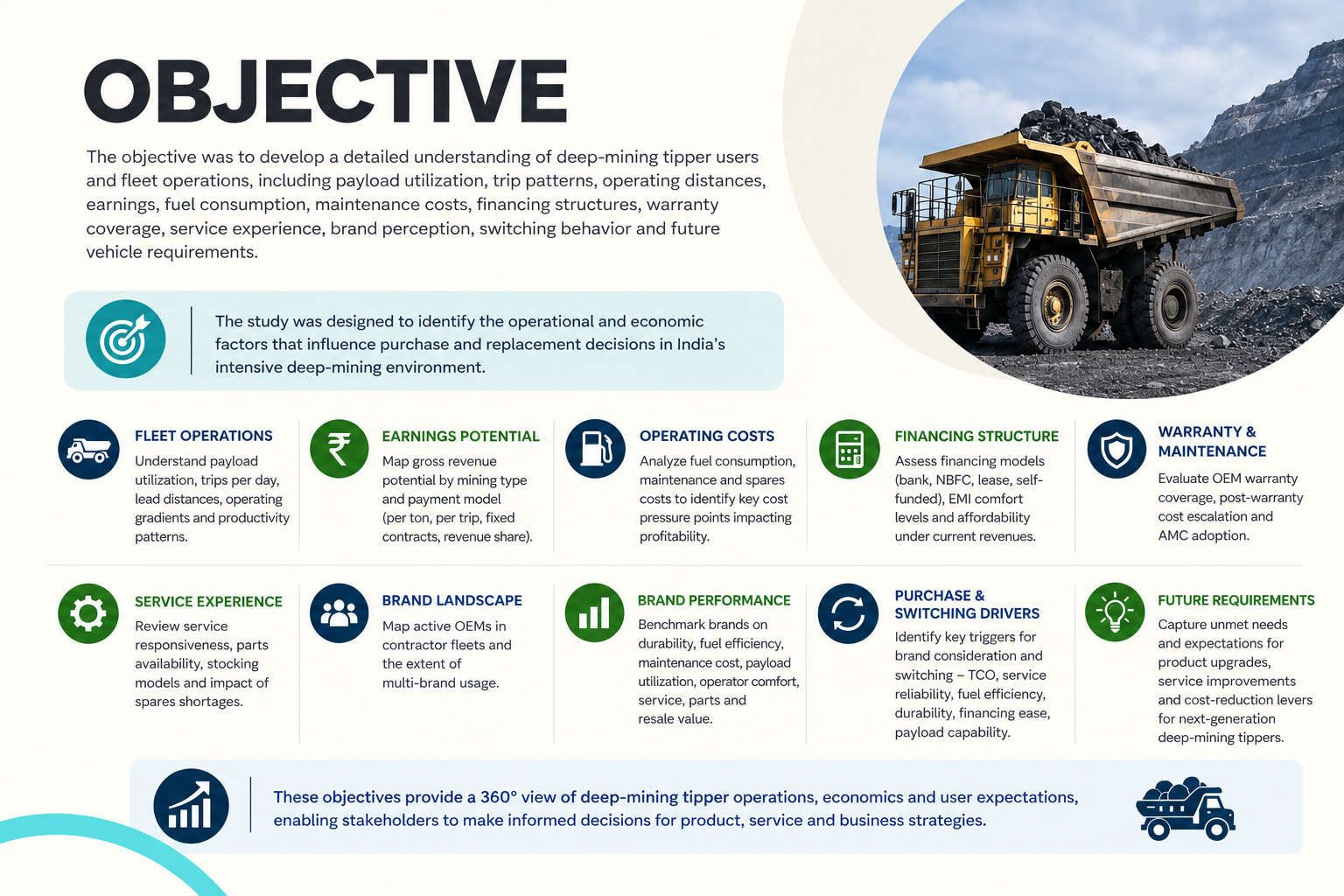
This study set out to give a full picture of India's deep-mining tipper market through FY2031 — market size, segmentation, regional dynamics, and where growth is actually headed. We wanted to answer practical questions: which segments carry the most potential, how does demand vary region to region, and how are regulation and new technology reshaping fleet modernization decisions. Built for mining operators, OEMs, and investors, the research was designed to inform real decisions — market entry, product positioning, fleet expansion, investment priorities — with granular detail on model-specific demand, regional growth drivers, and what compliance actually requires, using 6Wresearch's analytics and visualization tools throughout.
Business Challenge
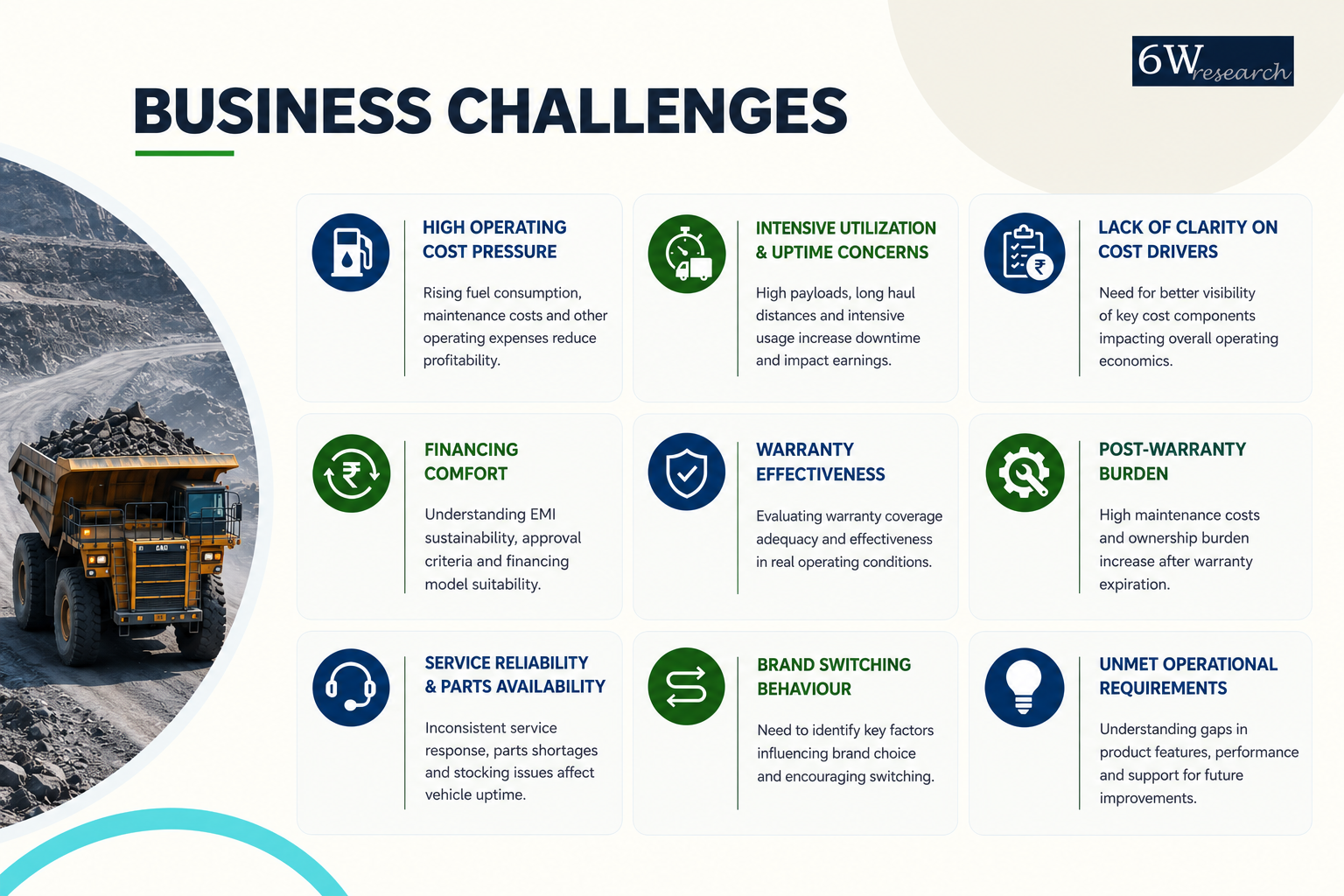
India's mining equipment landscape isn't simple to operate in right now — regulatory approvals drag on, fiscal pressure is real, and operational inefficiencies compound both. Long approval timelines, weak infrastructure, and high taxation all make fleet expansion and modernization harder than it needs to be. On top of that, tightening safety and emission rules for both on-road and off-road vehicles create real barriers for OEMs and operators trying to bring in more advanced, compliant tippers. The sector has to balance fleet deployment against swinging mineral demand, regional disparity, and environmental limits, all while Chinese OEMs push in on price and the broader industry moves toward more sustainable, digital, and electric equipment.
How We Did It
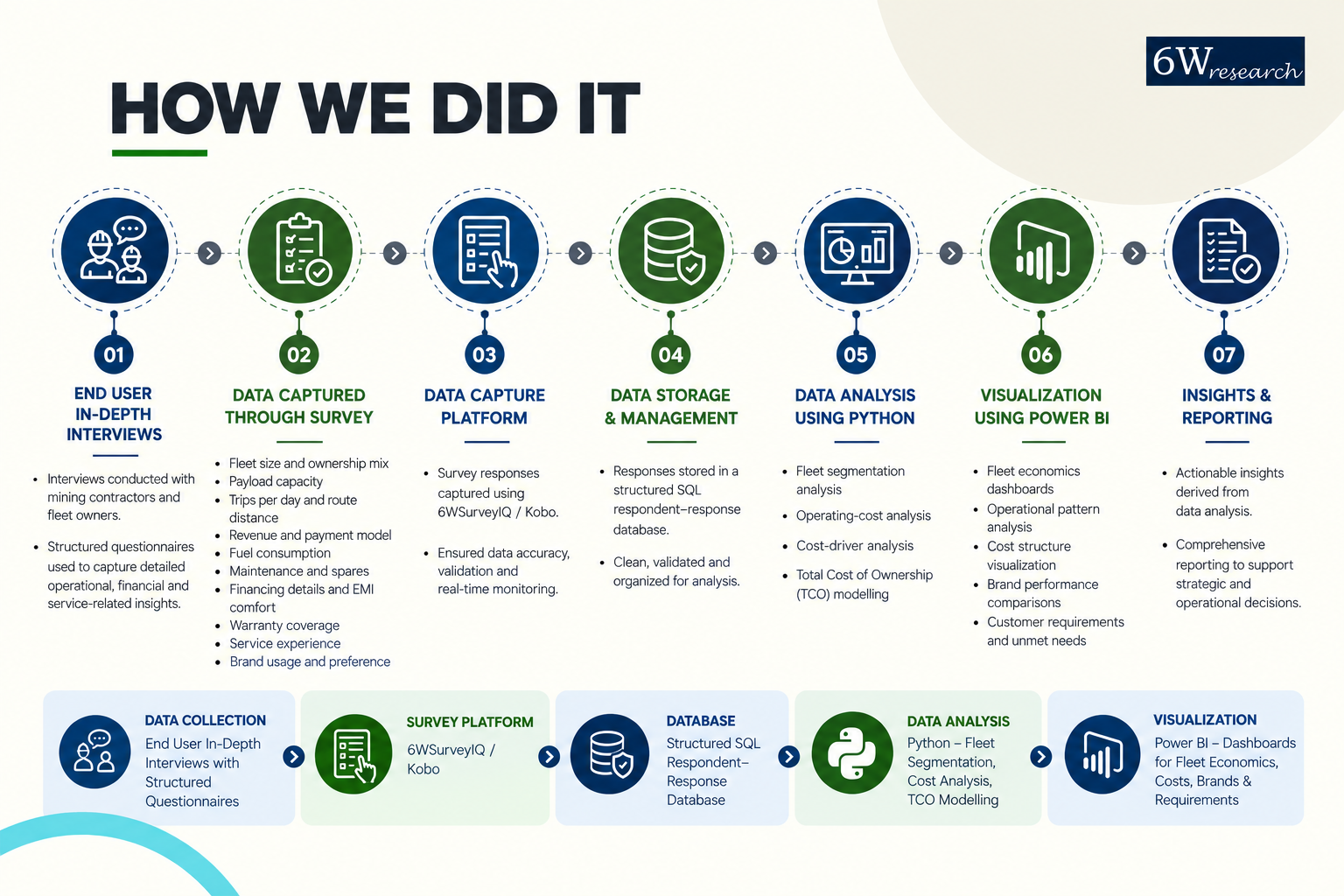
We mixed primary and secondary data collection, using 6Wresearch's SurveyIQ platform for structured data gathering and keeping track of respondents. Primary research meant structured interviews with major OEM players — Volvo, Sany, Komatsu, BEML — backed by expert input through 6WForum to check our early read against what industry insiders were actually seeing. Secondary data came from government databases, import-export records, and tender documentation, all pulled together into a proper SQL setup for real data management rather than scattered spreadsheets. Python and SQL handled the regression work, sizing, and segmentation that got us to model-level demand forecasts. Power BI dashboards made the KPIs and scenarios something stakeholders could explore themselves, not just read as a static number. We also ran the trade side through 6Wresearch's 6WExportGTM platform to get a proper read on import-export flows, so the market view wasn't missing the international trade piece.
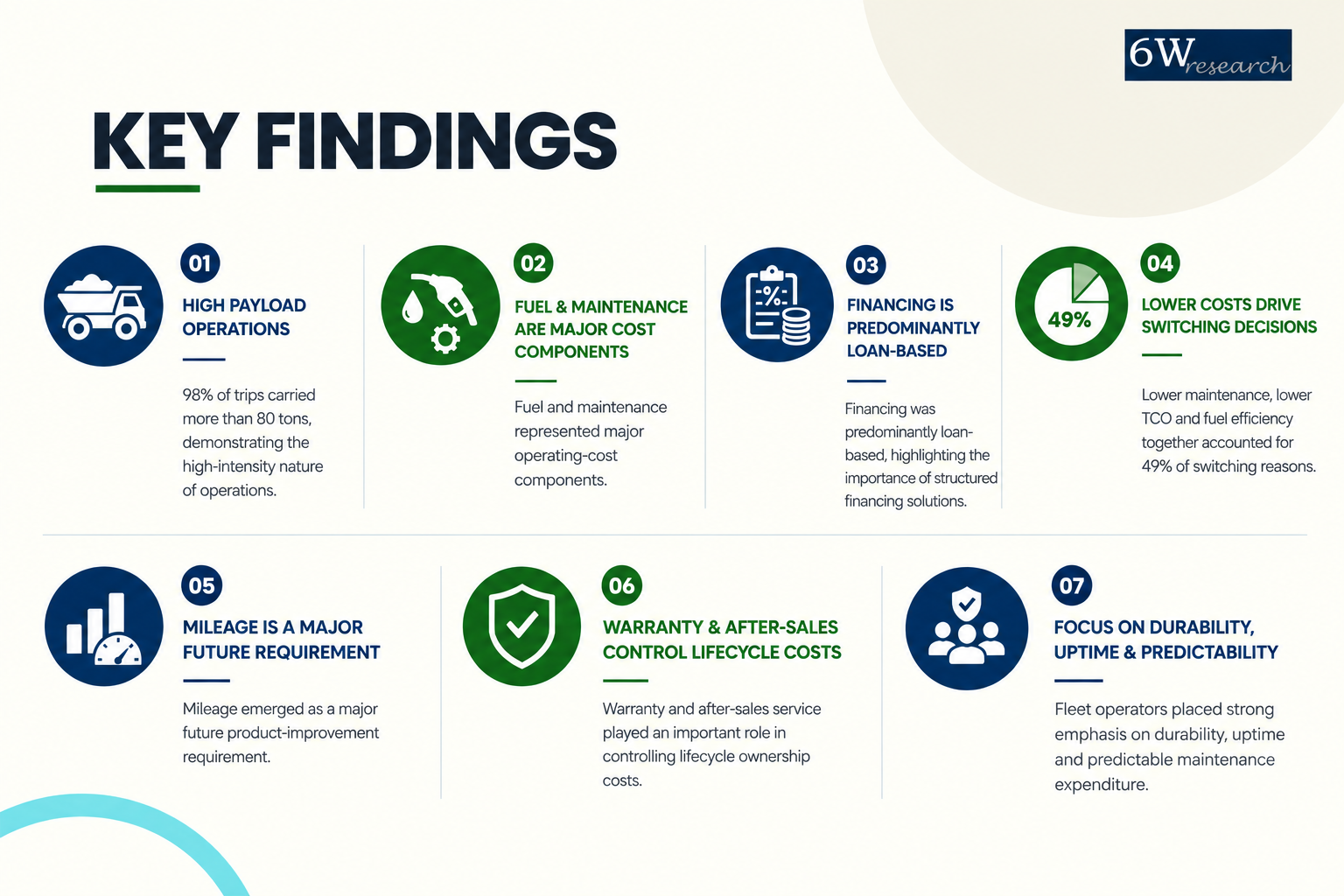
Key Findings
- The Indian deep-mining tipper market is likely to grow at a CAGR of over 7% through FY2031 on the back of growing demand for minerals and modernization of fleets in the country.
- The market size is projected to exceed 4,500 units by FY2031, with a major shift toward high payload (>35T) rigid dump trucks and electric/hybrid models.
- More than 70% of the total fleet requirements are concentrated in Odisha, Rajasthan and Chhattisgarh. Odisha leads in iron ore and bauxite mining.
- Regulatory mandates like BS-VI emission norms and DGMS safety standards are driving the OEM adoption of compliant, safety-enhanced vehicles, creating a captive market for advanced technology solutions.
- Sector supported by government programs such as mineral licensing via auctions, digital transformation, including GIS, remote sensing, predictive maintenance, and infrastructure upgrades.
- Chinese OEMs are threatening established Indian and Western players with competitive pricing and flexible financing, and capturing market share.
- The future demand of electric and LNG tippers is likely to increase as per the sustainability goals and decarbonization policies of India.
- Operational delays, fiscal pressures and complex approval processes continue to be significant constraints, requiring strategic focus on regional priorities and fleet optimization.
Findings
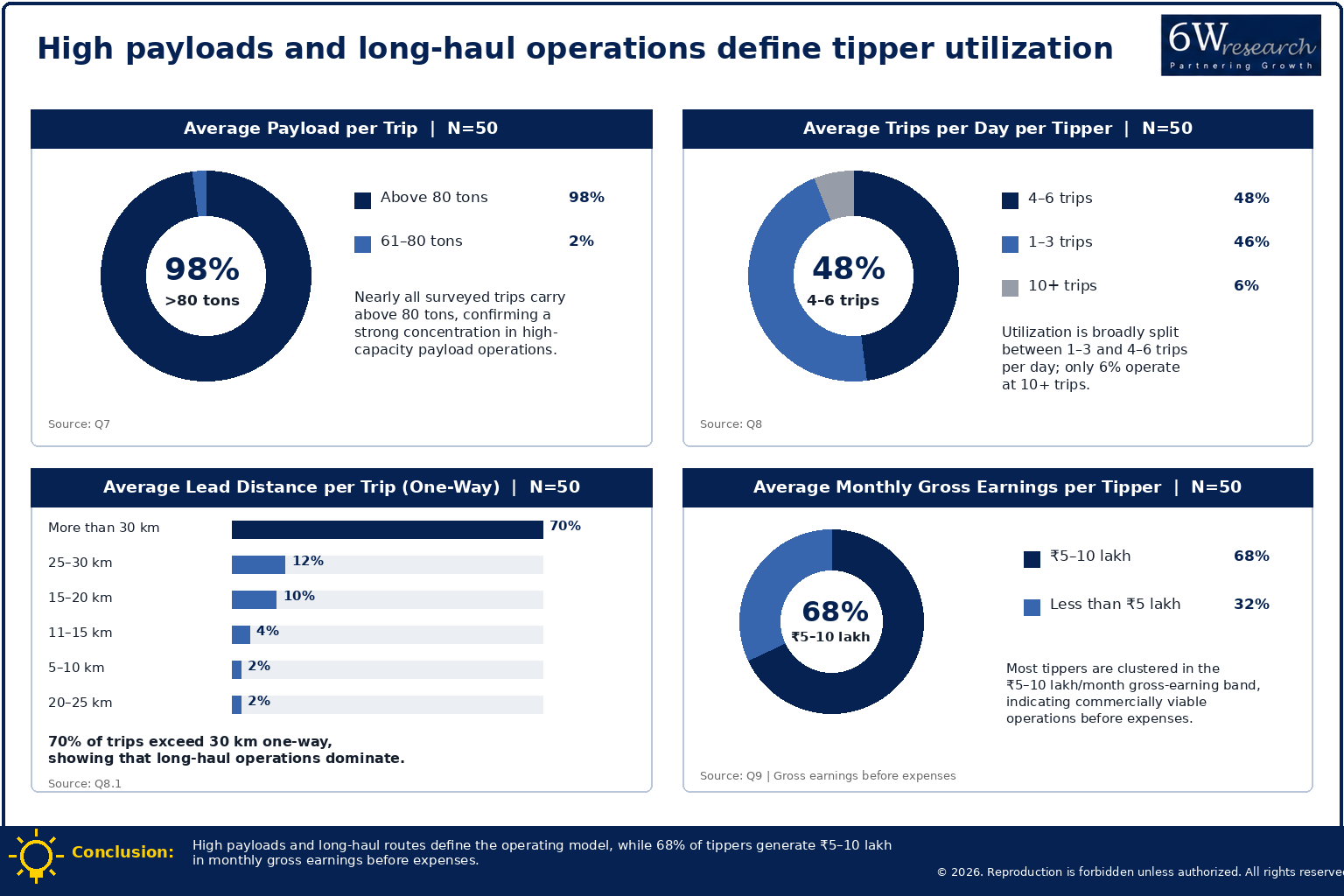
The growth of the India deep-mining tipper market is expected to remain solid — a 7%+ CAGR through FY2031, driven by mineral demand and fleets that genuinely need modernizing. The market's on track to top 4,500 units by FY2031, with high-payload rigid dump trucks (over 35T) making up a growing share of that. Odisha, Rajasthan, and Chhattisgarh together account for more than 70% of fleet demand, which makes sense given how much iron ore, bauxite, and limestone sits in those regions — Odisha in particular leads on both iron ore and bauxite. BS-VI emission rules and DGMS safety standards are pushing OEMs toward compliant, safer vehicles fast, effectively locking in demand for the technology needed to meet those standards. Government moves — auction-based mineral licensing, infrastructure spending, digital tools like GIS and predictive maintenance — are all adding momentum. Chinese OEMs are making real inroads too, competing hard on price and offering more flexible financing than established Indian and Western players typically do. Where this heads next depends a lot on how fast electric and hybrid tippers get adopted, in step with India's broader decarbonization goals.
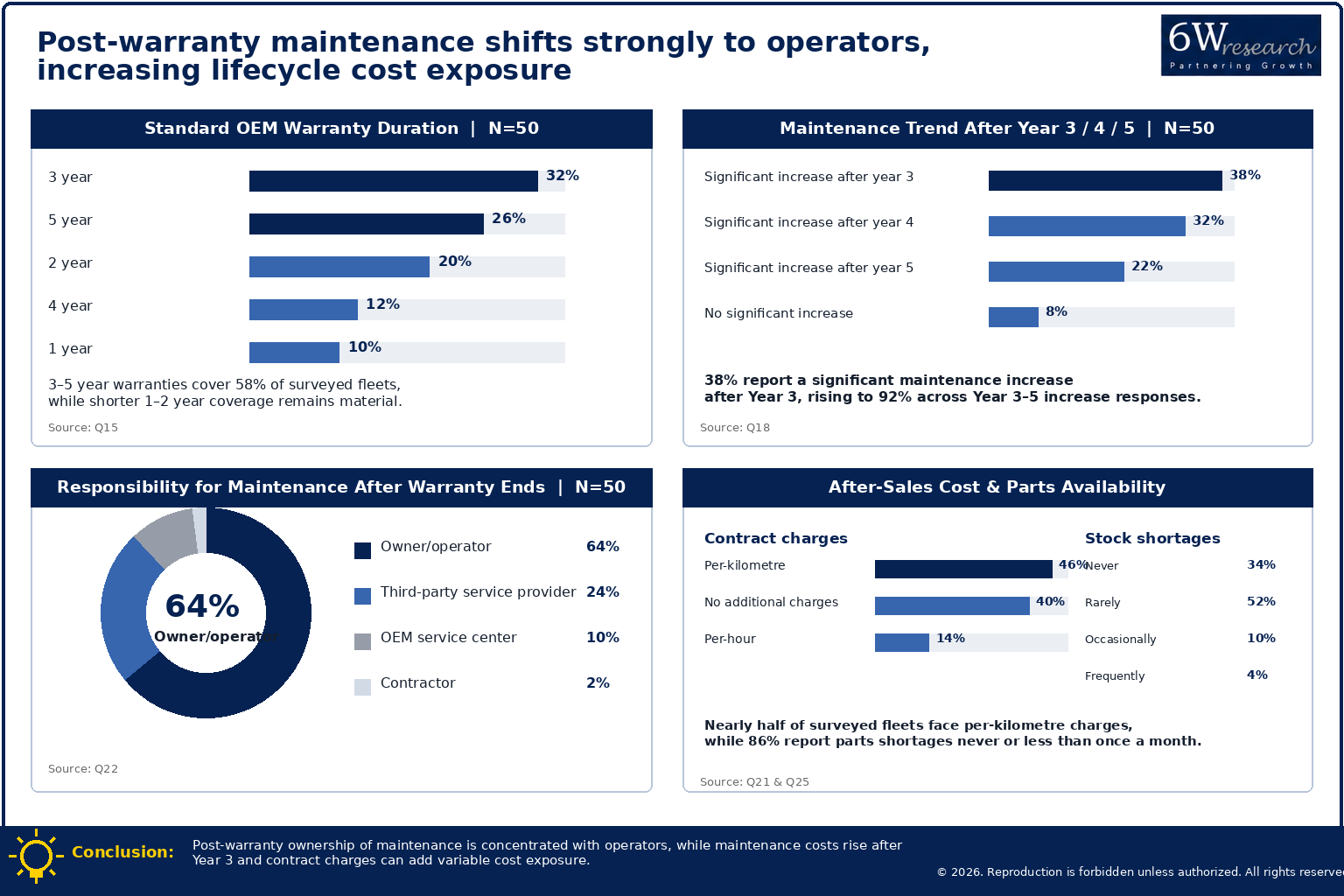
Operational and regulatory barriers shapes a lot of what happens in this sector day to day — slow approvals, thin infrastructure, and high taxation all get in the way of fleet expansion. Approval timelines often run past five years, which creates real uncertainty and makes it hard for operators to commit capital to new equipment with confidence. Weak infrastructure — poor haul roads, unreliable power — cuts into fleet utilization and pushes maintenance costs up. The effective tax rate, averaging over 50%, eats into profitability enough that it discourages OEM investment in more advanced fleet options. Safety and environmental compliance — DGMS standards, CMVR requirements — add real cost and complexity on top of that. Even with all of this, government initiatives around mineral block auctions, infrastructure, and digital transformation still open up genuine opportunity, particularly in regions like Odisha and Rajasthan where the underlying demand is strong. Where the sector goes from here depends on regional focus, faster approvals, and how well digital and electric technology gets integrated to offset some of these structural costs.
Business Impact
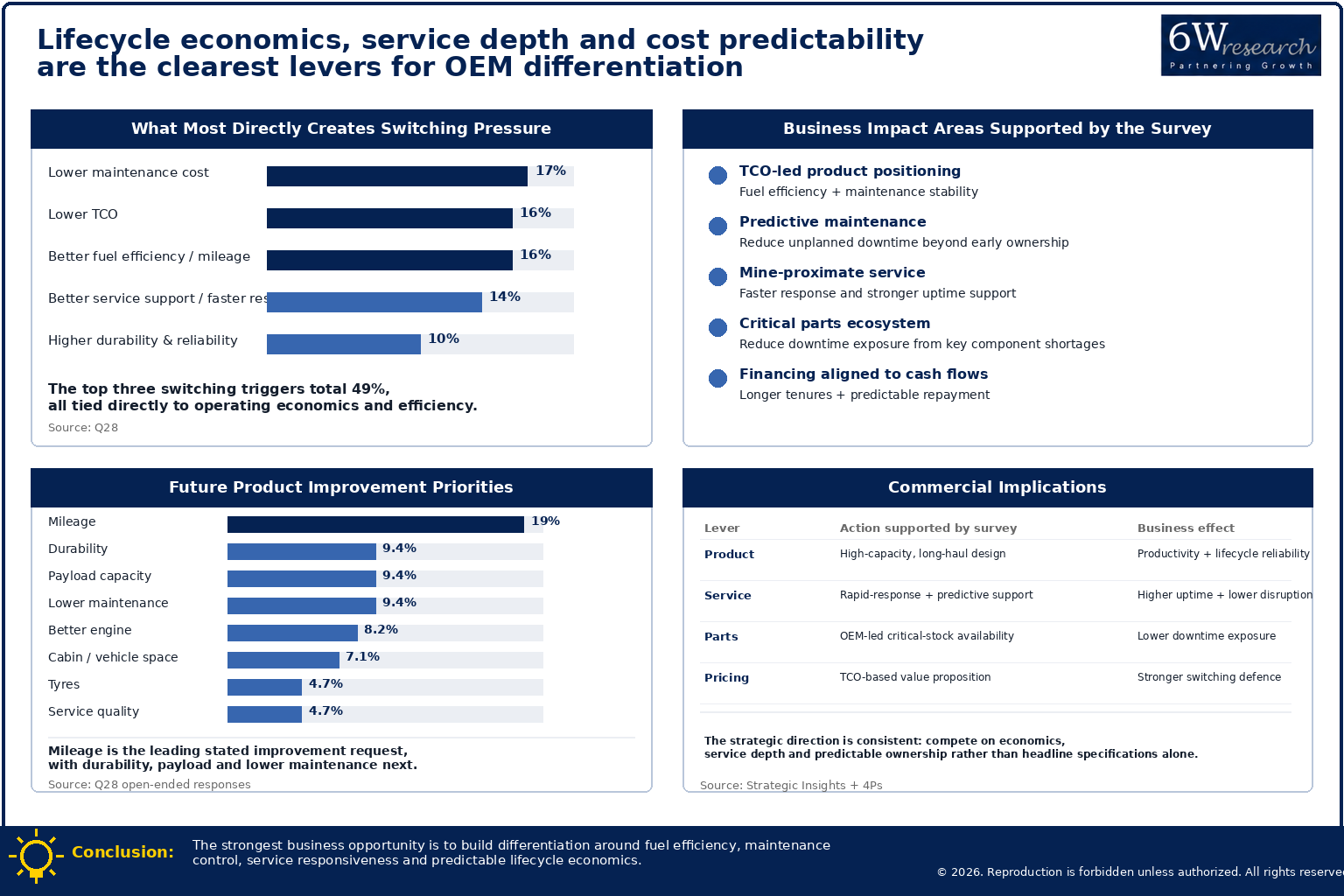
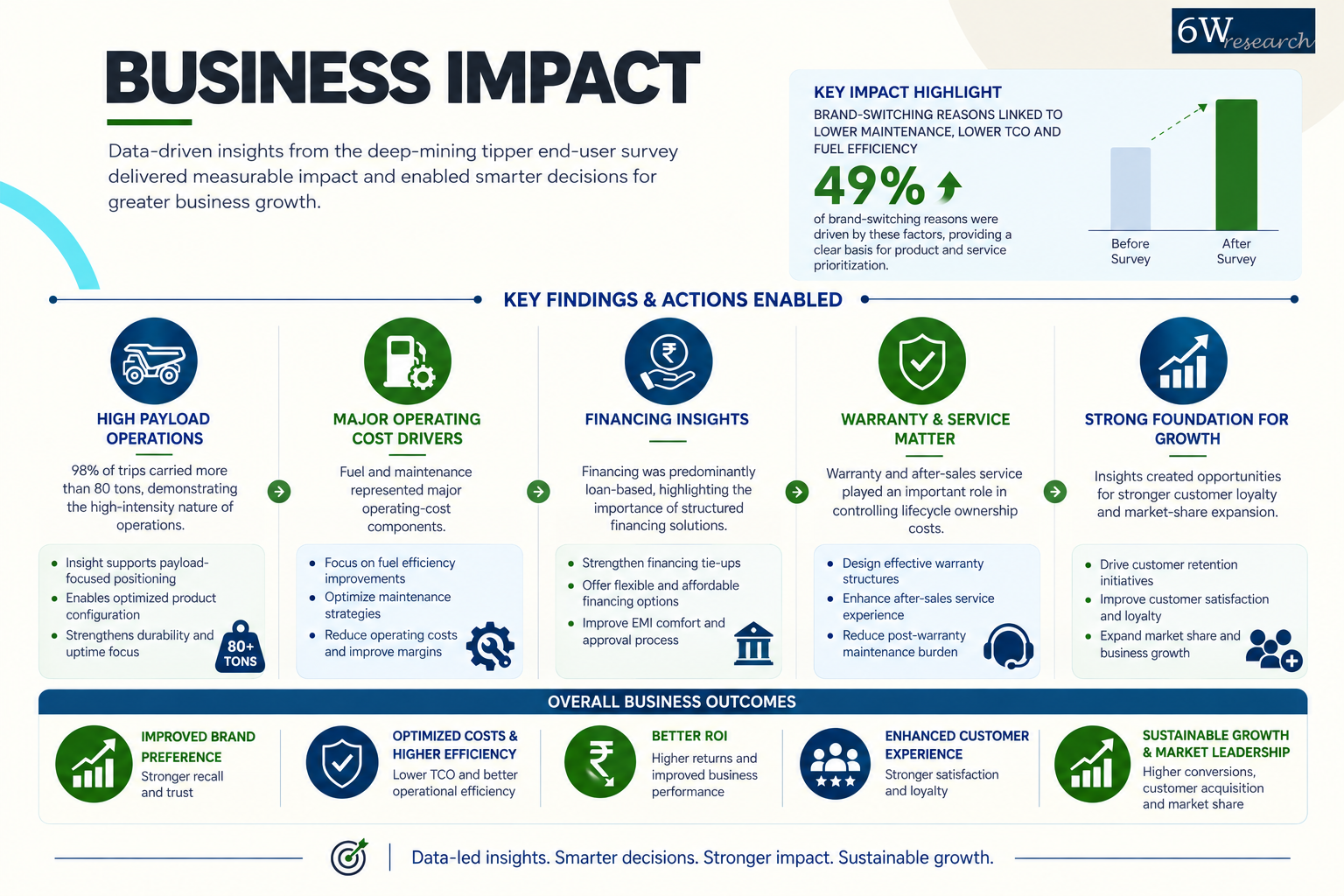
This research gives stakeholders a solid basis for shaping market entry, fleet deployment, and where to put regional investment first. The anticipated rise to over 4,500 units by FY2031 presents a real chance for OEMs and investors, especially in Odisha, Rajasthan and Chhattisgarh, which are the demand hubs. OEMs trying to stay competitive will matter a lot, especially with Chinese players expanding through aggressive pricing, to stay ahead on safety and emission compliance. The expected growth in electric and hybrid tippers aligns with India’s sustainability goals and provides genuine space for product innovation and premium positioning. The break down of regional demand helps in planning smarter marketing, dealer expansion and after sales. The market’s full potential cannot be realized unless regulatory delays and infrastructure gaps are addressed, while digital instruments like fleet telematics and predictive maintenance offer a real path to operational efficiency in the interim. All of this gives OEMs, operators and investors a more transparent and comfortable basis for capitalizing on the growth of India’s mineral sector and the regulatory and operational risk that comes with it.


