Which Messages Create the Biggest Impact on Solar Adoption?
Solar Awareness Impact Study – Evaluating Messaging Effectiveness
Objective
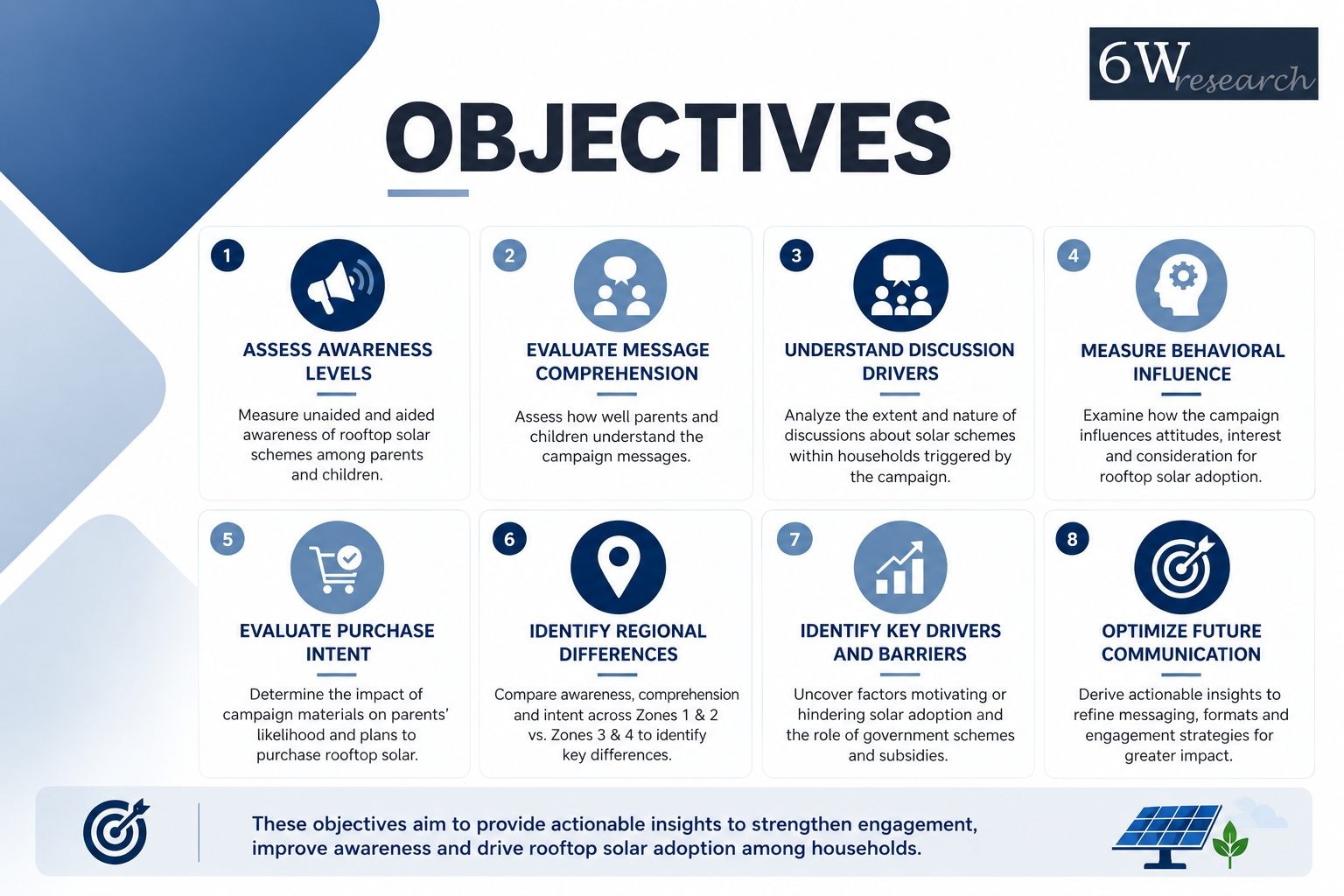
The aim was to assess the effectiveness of the Eco-Crew campaign messaging on parents and children and understand its impact on solar awareness, message understanding, household discussions, behavioral influence and purchasing intent. The study also aimed at identifying regional differences and optimizing communication strategies for the future.
Business Challenge
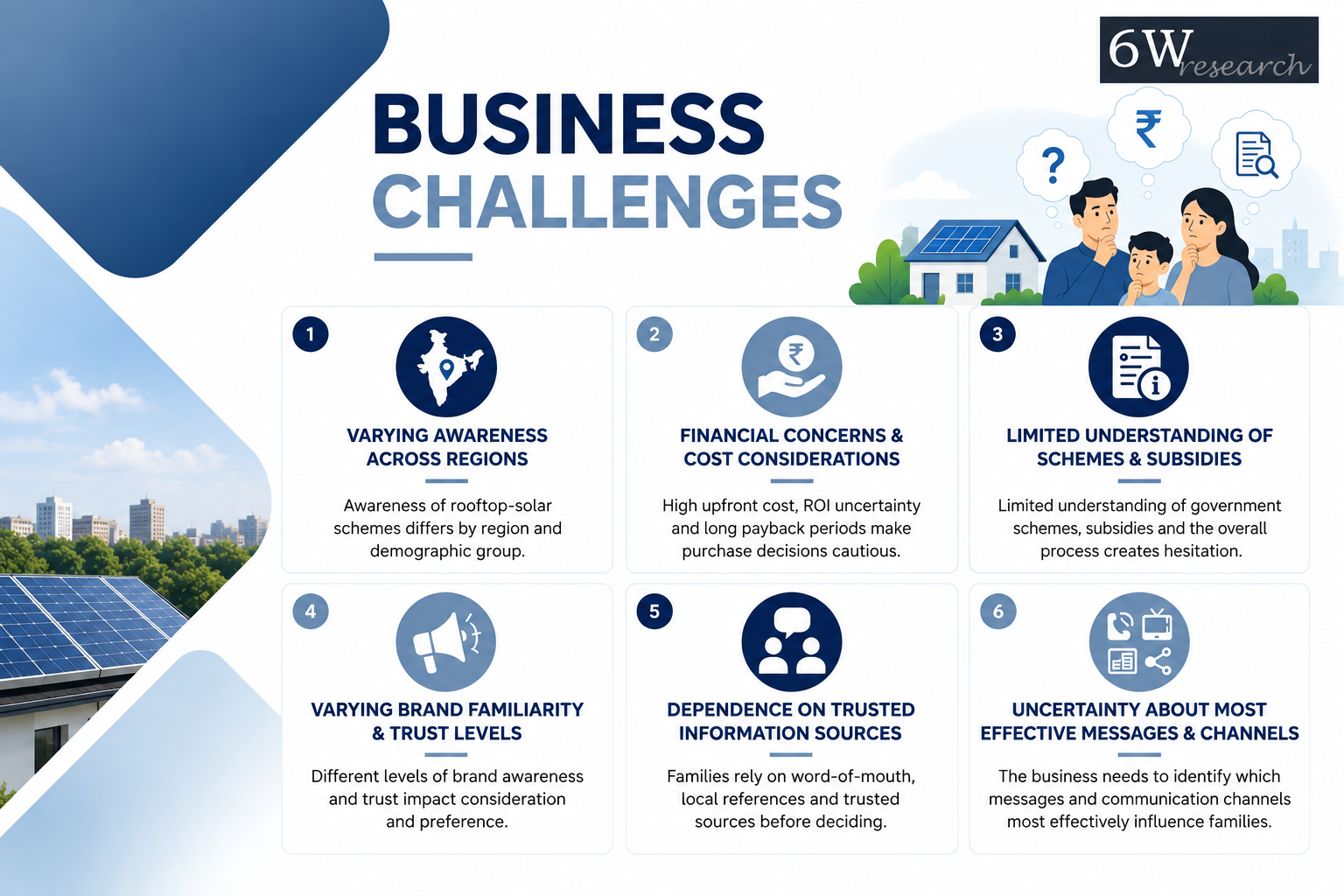
According to region and demographic group, awareness of rooftop-solar schemes varied. Caution in purchase decisions was attributed to financial concerns, unfamiliarity with the schemes, varying degrees of familiarity with brands, and reliance on trusted information sources. The business need to figure out the most impactful messages and channels to the families.
How We Did It
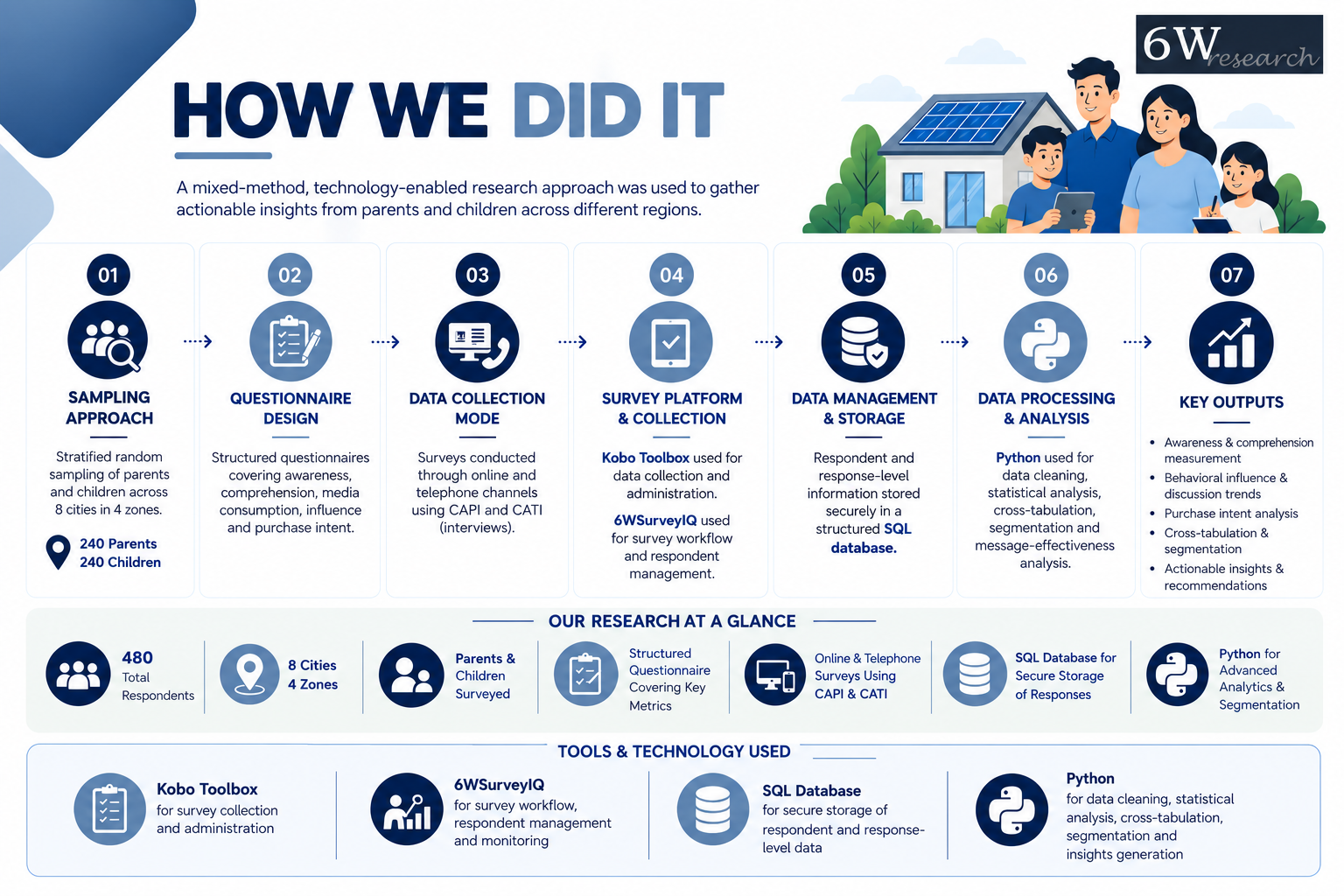
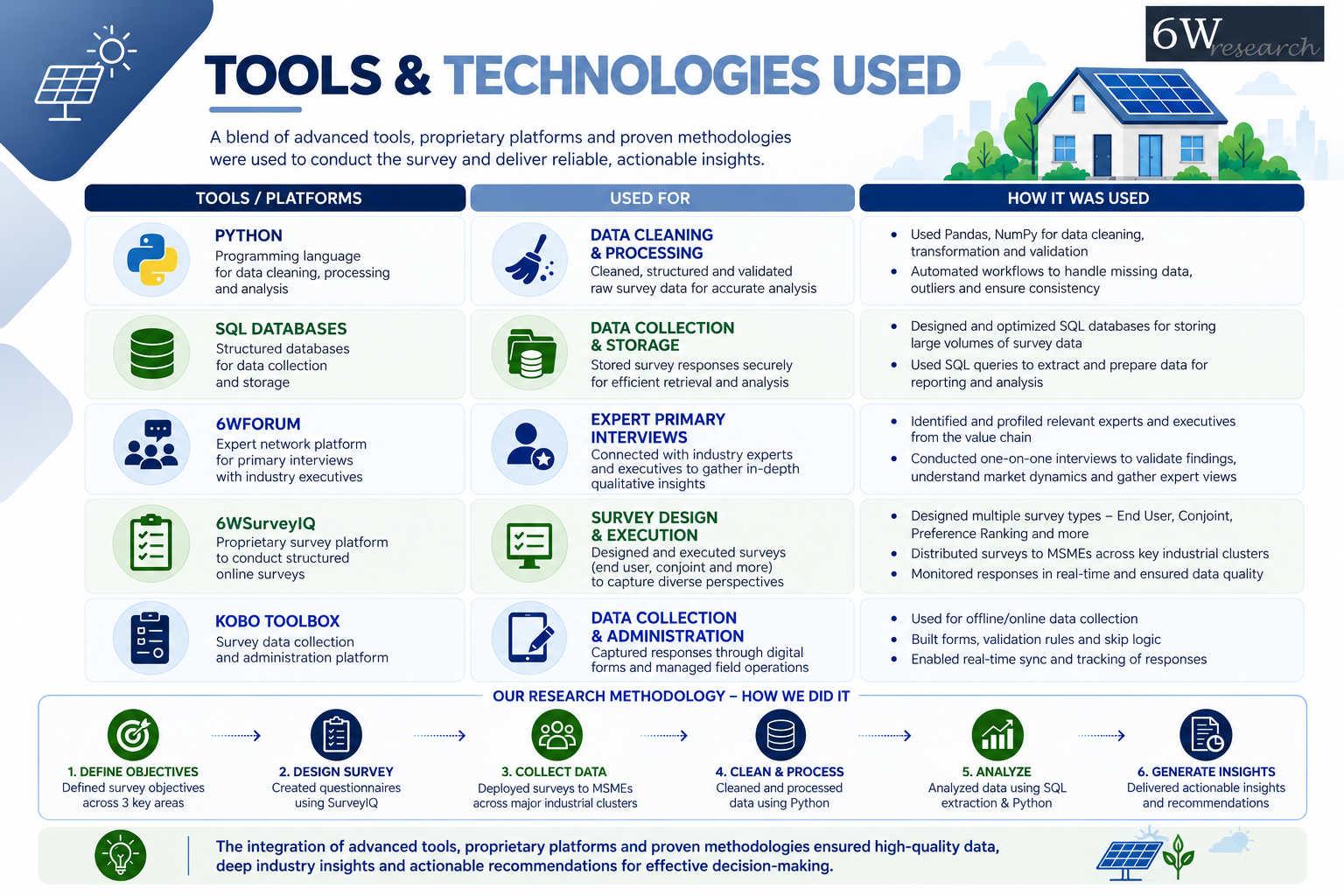
This was a mixed-method study looking at awareness, message comprehension, behavioral influence and purchase intent around rooftop solar, among both parents and their children. We combined quantitative surveys with qualitative input to capture not just what people said, but how they actually interpreted campaign messages and discussed them at home. The study covered 240 respondents across eight cities — 120 parents, 120 children — spread across four geographic zones for meaningful regional comparison. Both parent and child surveys covered demographics, unaided and aided awareness, media sources, familiarity with solar concepts, message recall and interpretation, perceived relevance, behavioral influence and future adoption intent. We compared Zones 1 & 2 against Zones 3 & 4 to see where awareness, comprehension and purchase consideration diverged. The qualitative side dug into household conversations, how important people felt these messages were, and the specific role kids played in shaping family discussions. We used demographic cross-tabulation and segmentation to spot patterns, plus message-level analysis to see which campaign themes and formats actually landed. Survey execution ran through 6WSurveyIQ/Kobo, with SQL for data storage and Python for statistical analysis, segmentation and message-effectiveness work. This let us connect the dots from exposure and awareness all the way through to comprehension, behavior and purchase intent, while flagging regional and audience-level differences worth targeting.
Key Findings
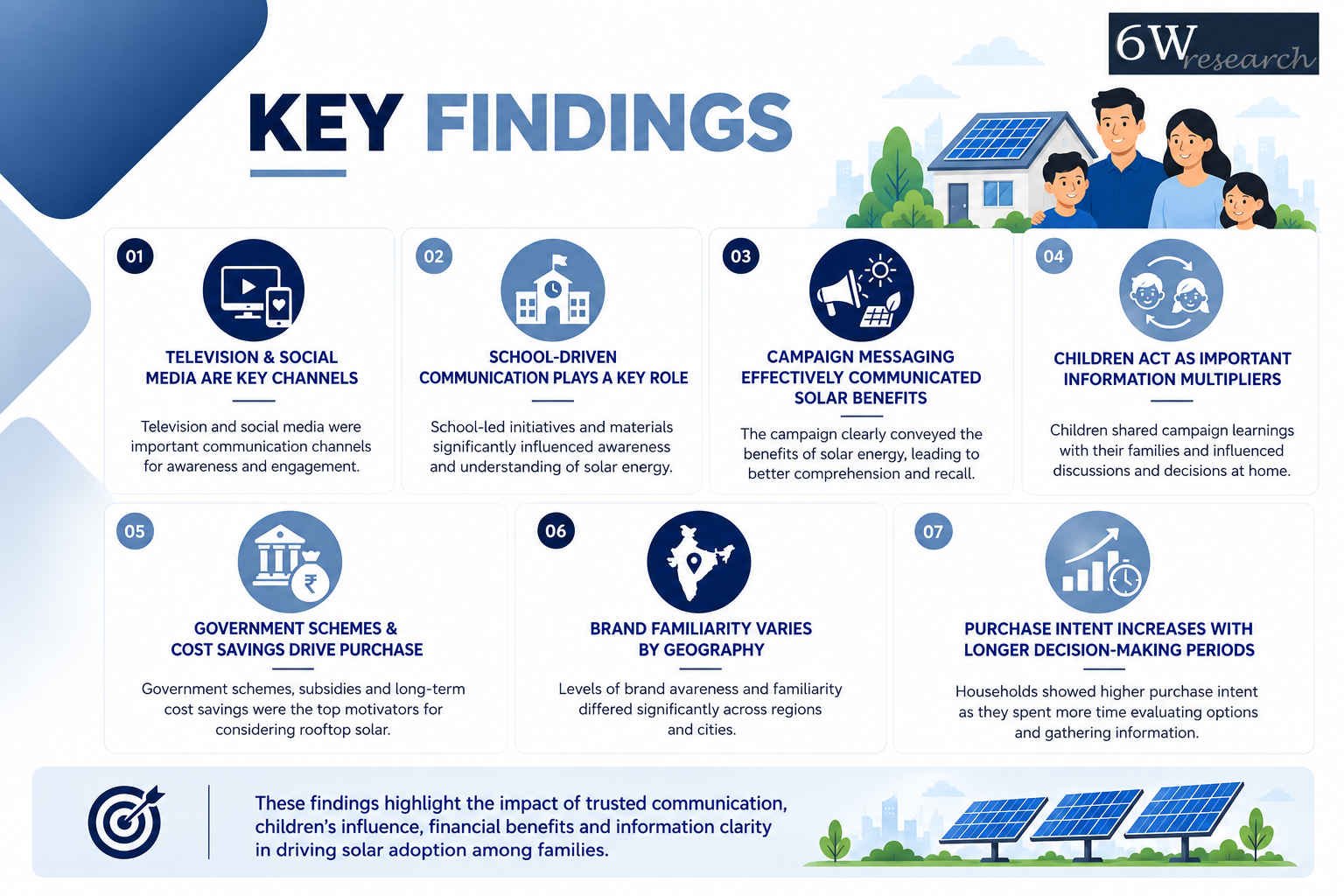
- Television and social media were important communication channels.
- School-driven communication played an important role.
- Campaign messaging successfully communicated solar benefits.
- Children acted as important information multipliers within households.
- Government schemes and cost savings were major purchase motivators.
- Brand familiarity varied significantly by geography.
- Purchase intent increased as households progressed through longer decision-making periods.
Findings
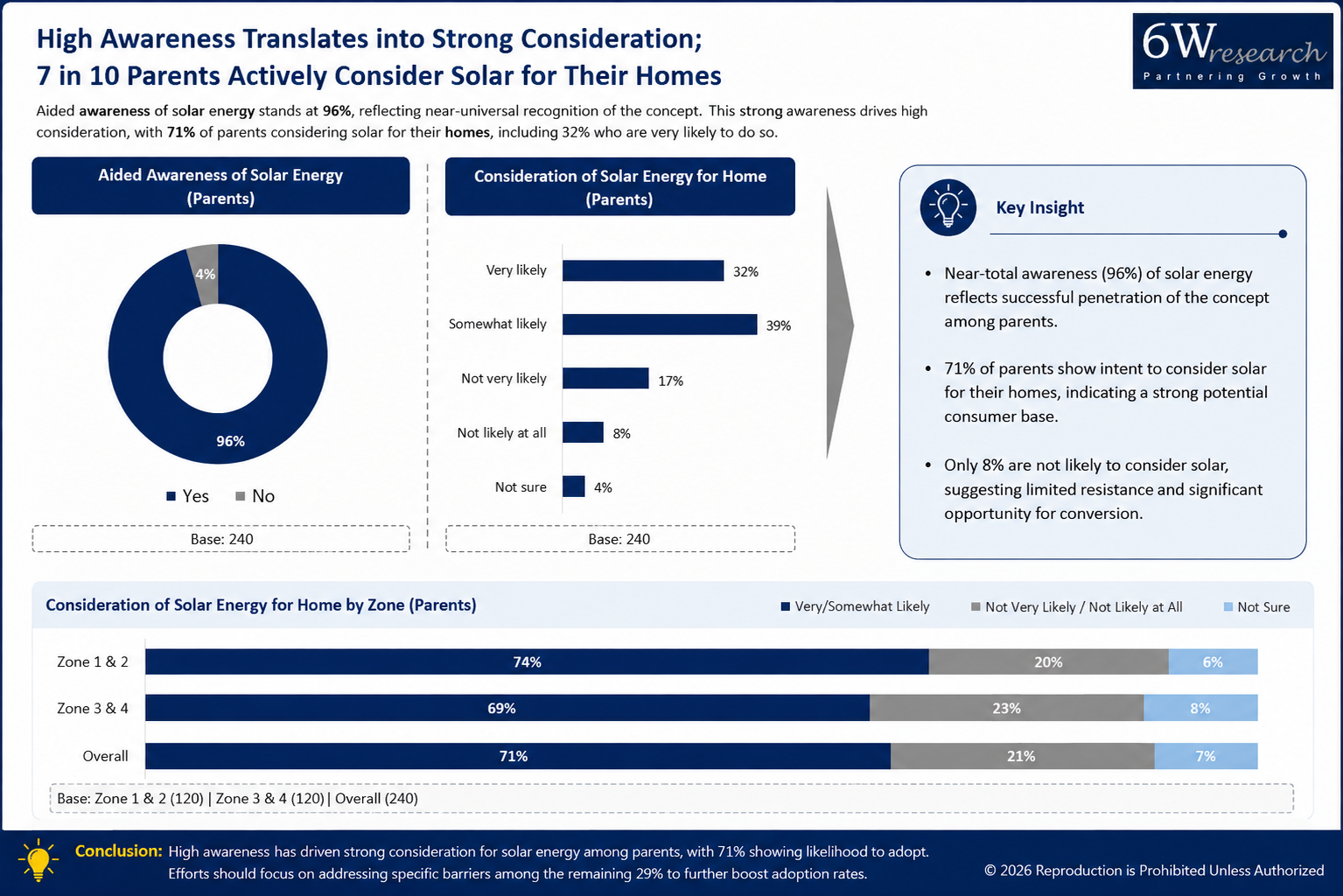
One of the most interesting findings: solar awareness doesn't stop with the person who sees the ad — it travels through households via kids. 82% of children knew about rooftop solar schemes, and 88% talked about solar with their parents after school campaigns exposed them to it. So, children are essentially acting as a bridge between the campaign and the actual decision-makers at home. The messaging also landed well — 27% of kids picked up on the cost-saving angle and 18% on the environmental benefits, while parents mostly remembered messages about lower electricity bills, environmental protection and solar being renewable. Among parents, 95% found the messaging relevant to their household, with savings and statistics (32%) and environmental benefits (29%) standing out as the most memorable elements. So, the messaging that sticks is the kind that ties real household savings to a bigger environmental story. When it comes to actually adopting, government schemes (38%), cost savings (32%) and family conversations were the biggest drivers — which fits the pattern of solar being a longer, more considered decision rather than an impulse buy.
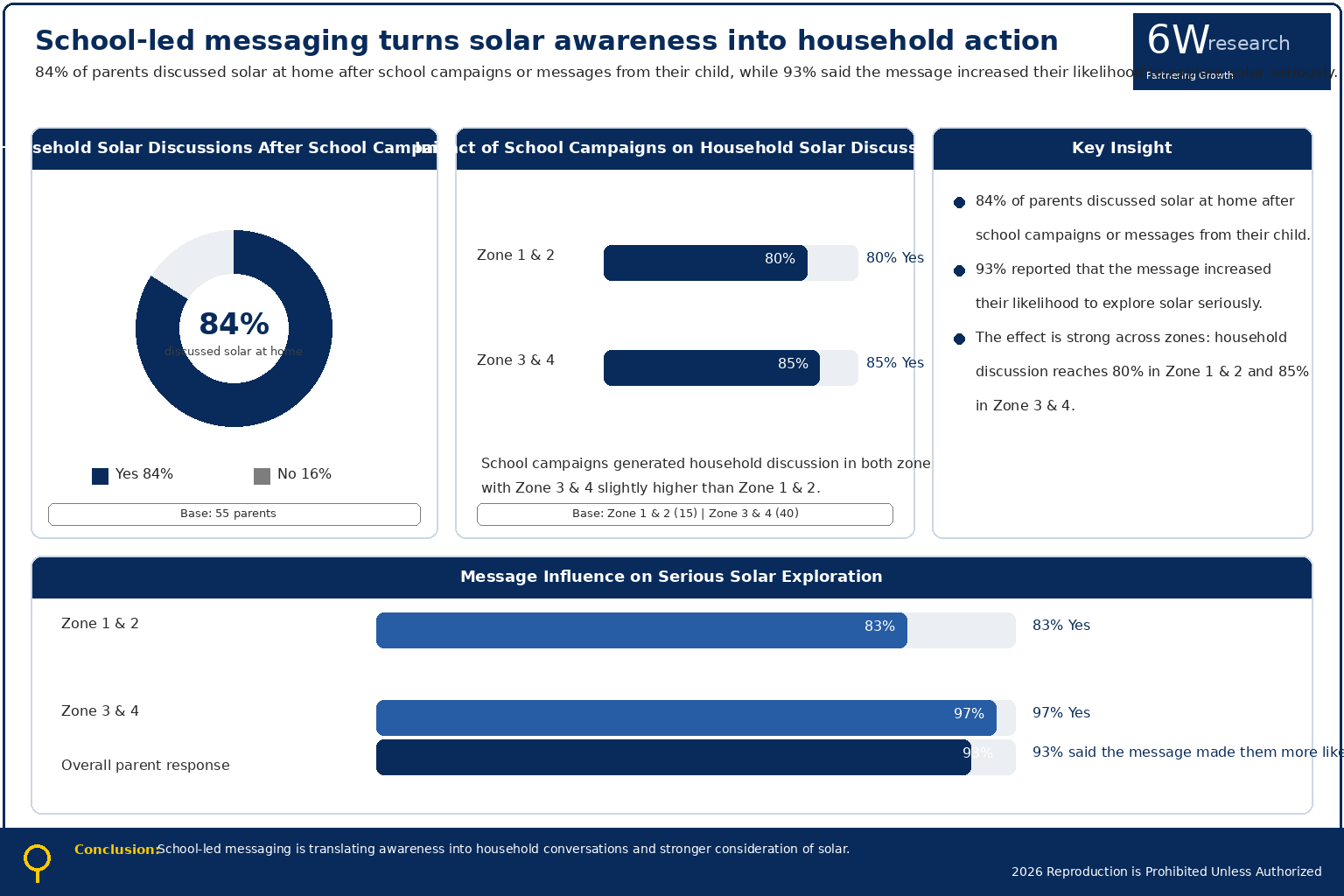
Schools turned out to be a surprisingly effective channel for spreading solar messaging beyond direct advertising. 21% of parents named schools as a source of solar information, and children exposed to school campaigns sparked real conversations at home. Peer influence and child-led discussion clearly help carry the message from classroom to household. Kids responded best to interactive formats such as competitions, videos and model-building, suggesting that engagement-driven content leads to better recall and advocacy. For parents, the top media channel was YouTube (24%) with TV (21%) coming second followed by WhatsApp and Facebook (both 16%) emphasising the necessity of school outreach with digital reinforcement Regional gaps were also significant: awareness of rooftop solar among parents was 67% in Zones 3 & 4 versus 50% in Zones 1 & 2, and awareness among children was 90% and 73% respectively. The overall picture supports a layered approach — practical financial info, environmental messaging, child-led advocacy, school engagement, and digital content working together to build awareness over time.
Business Impact
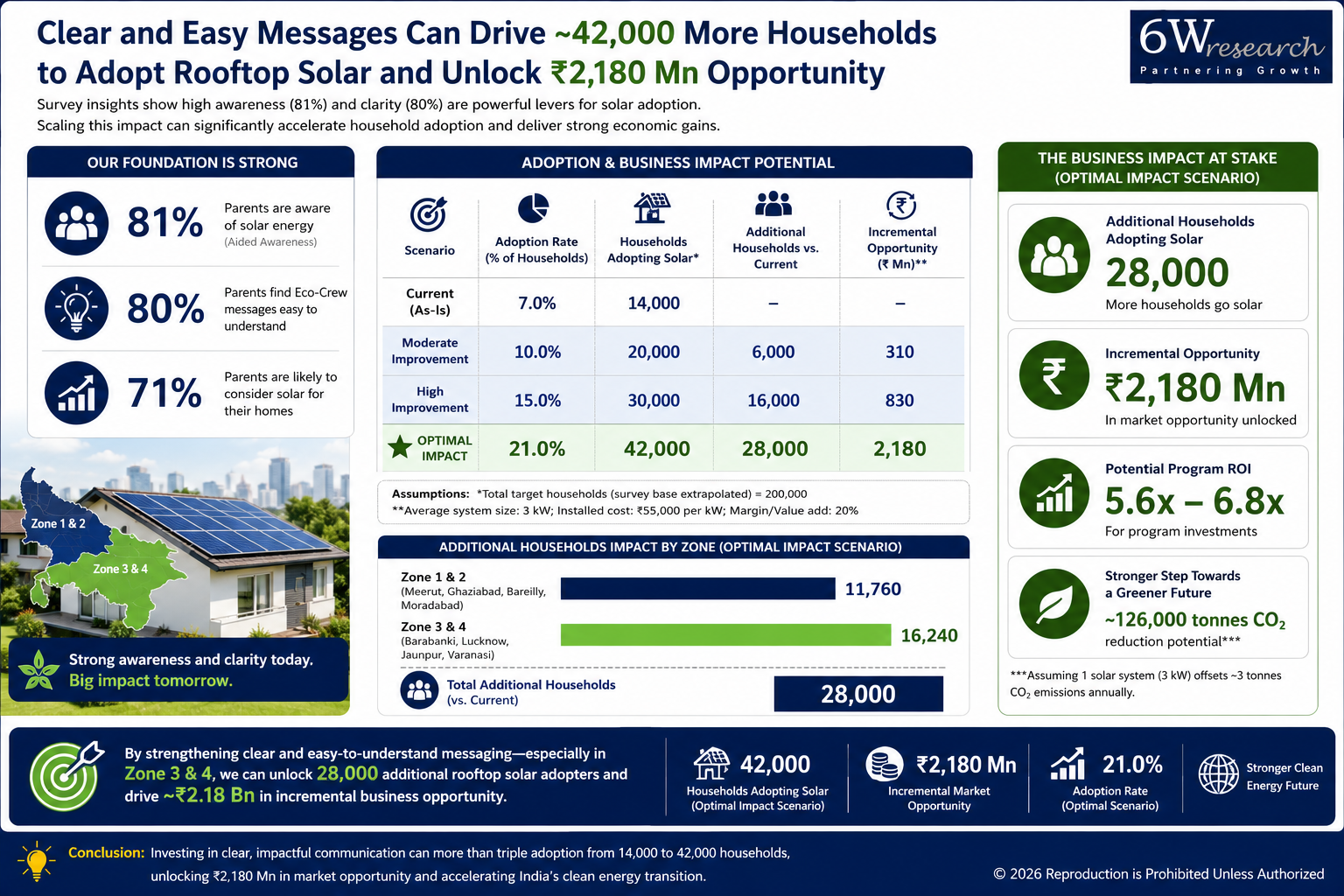
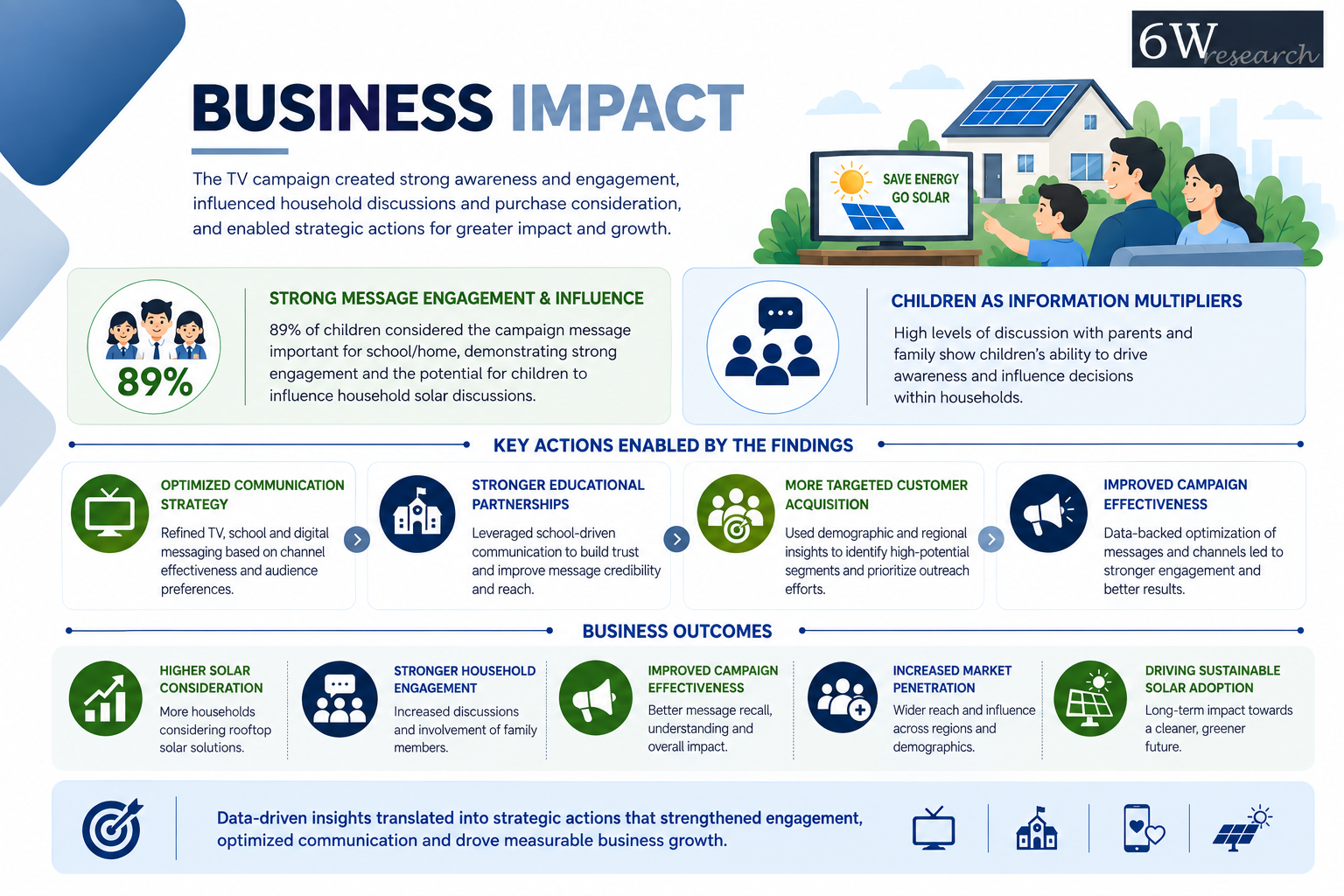
Around 89% of children said the campaign's message mattered to them at school or at home — a sign of real message involvement, and a hint that kids could end up driving solar conversations at home themselves. That's reinforced the case for tightening up TV, school, and digital channels, plus building out educational partnerships and acquisition efforts.


