kenya supplements market
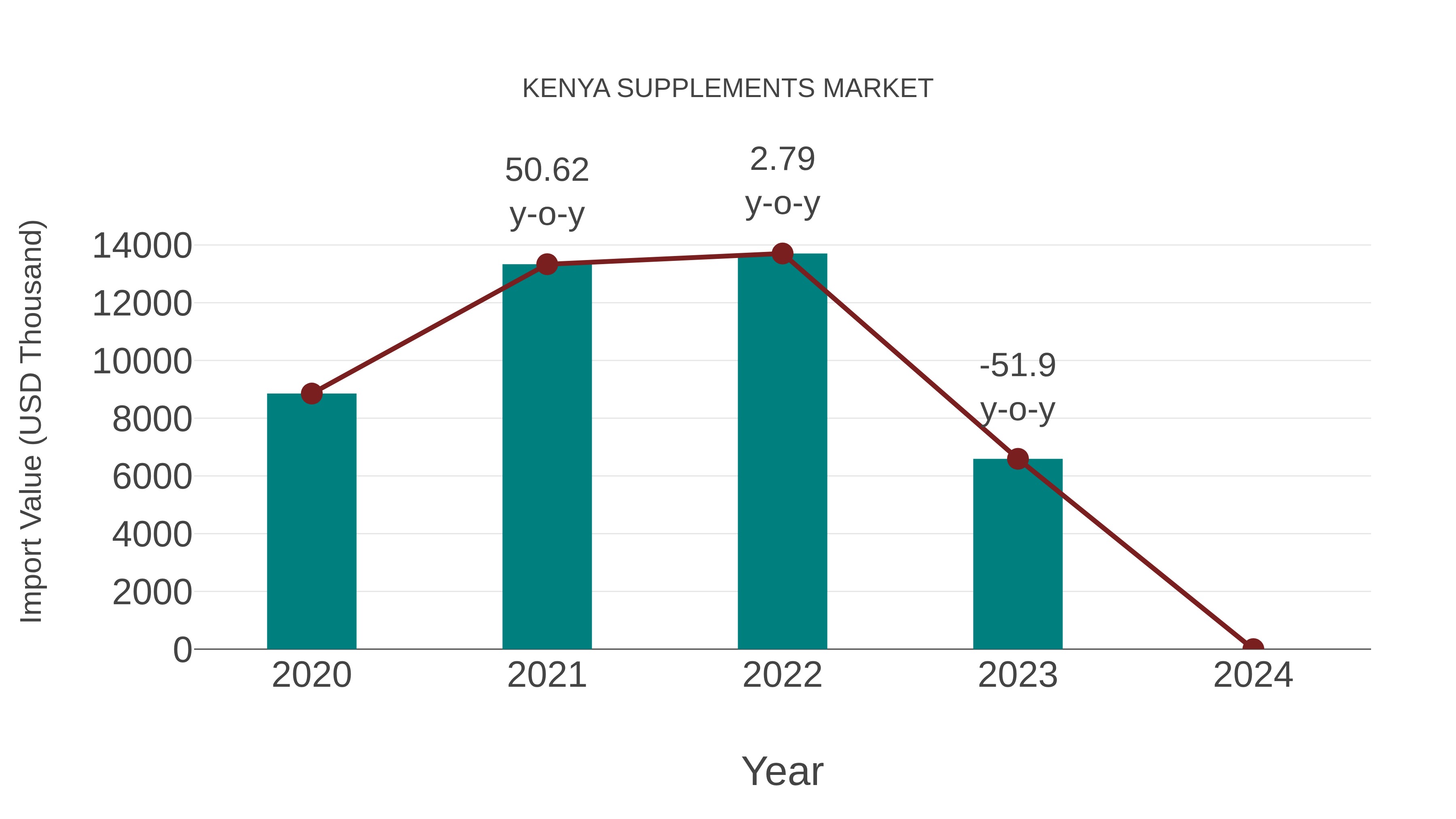
Kenya Supplements Market Growth Rate
According to 6Wresearch internal database and industry insights, the Kenya Supplements Market is projected to grow at a compound annual growth rate (CAGR) of 7.8% during the forecast period from 2026 to 2032.
Five-Year Growth Trajectory of the Kenya Supplements Market with Core Drivers
Below mentioned are the evaluation of year-wise growth rate along with key drivers:
| Years | CAGR (%) | Growth Drivers |
| 2021 | 6.7% | Growing awareness of health and wellness benefits. |
| 2022 | 7% | Increased demand for immunity-boosting supplements. |
| 2023 | 7.2% | Rise in fitness and sports nutrition trends. |
| 2024 | 7.3% | Growth in adult consumption of multivitamins and minerals. |
| 2025 | 7.5% | Expansion of e-commerce platforms selling health supplements. |
Topics Covered in the Kenya Supplements Market Report
The Kenya Supplements Market report thoroughly covers the market by product type and form, consumer group, function. providing an unbiased and detailed analysis of ongoing market trends, opportunities, challenges, and market drivers, helping stakeholders align their strategies with current and future market dynamics.
Kenya Supplements Market Highlights
| Report Name | Kenya Supplements Market |
| Forecast period | 2026-2032 |
| CAGR | 7.8% |
| Growing Sector | Supplements |
Kenya Supplements Market Synopsis
Kenya Supplements Market is expanding, fueled by heightened health awareness and a growing shift toward preventive healthcare. There is a growing demand for vitamins, minerals, proteins, and amino acids as consumers look for supplements to boost immunity, enhance bone health, and improve overall well-being. Furthermore, innovations in supplement formulations and rising disposable incomes are fueling the Kenya Supplements Market Growth. Increasing awareness of how supplements can benefit health, particularly among younger consumers, is a key factor fueling market expansion.
Evaluation of Growth Drivers in the Kenya Supplements Market
Below mentioned are some prominent drivers and their impact on the market dynamics:
| Drivers | Primary Segments Affected | Why It Matters (Evidence) |
| Increasing Health Awareness | Vitamins & Minerals, Proteins & Amino Acids | Growing awareness of health benefits is leading more people to include supplements in their daily diet. |
| Popularity of Sports Nutrition | Proteins & Amino Acids | An increasing number of fitness enthusiasts and athletes are driving demand for protein supplements and amino acids. |
| Rising Demand for Immunity-Boosting Products | Vitamins & Minerals | The demand for supplements to strengthen immunity is rising due to the growing emphasis on health and disease prevention. |
| Growth of E-commerce Platforms | All Segments | The expansion of e-commerce platforms is broadening the reach of supplements, allowing more consumers to access and purchase them conveniently. |
| Rising Disposable Incomes | Vitamins & Minerals, Bone Health Supplements | Growing disposable income levels are enabling consumers to spend excessively on health and wellness products. |
The Kenya Supplements Market is projected to grow at a CAGR of 7.8% from 2026 to 2032. The Kenya Supplements Market is growing due to rising disposable incomes, heightened health awareness, and a greater focus on preventive care. Government initiatives supporting technological advancements with regard to supplements' formulation is helping this market to expand rapidly. Furthermore, another area of opportunity for innovation in this category of products continues to rise, as demand for natural and organic supplements has significantly increased over recent years.
Evaluation of Restraints in the Kenya Supplements Market
Below mentioned are some major restraints and their influence on the market dynamics:
| Restraints | Primary Segments Affected | What This Means (Evidence) |
| High Import Costs | All Product Segments | High costs of importing supplements from international markets may limit affordability for local consumers. |
| Limited Consumer Awareness | Vitamins & Minerals, Proteins | A lack of full understanding of the benefits of supplements among many consumers is slowing down adoption and consumption rates. |
| Counterfeit Products | All Product Segments | The presence of counterfeit and substandard supplements can damage consumer trust and hamper market growth. |
| Regulatory Gaps | All Product Segments | The absence of compliance with quality control regulations could result in the distribution of substandard or harmful products. |
| Price Sensitivity | Mass Market, Vitamins | Those mindful of costs may opt out of purchasing high-priced premium or imported supplements. |
Kenya Supplements Market Challenges
Kenya Supplements Industry goes through several key challenges, including high import prices, low levels of consumer understanding regarding the health benefits of supplements, and a lack of proper regulation concerning product quality. There is also the risk of counterfeit and low-quality products damaging the growth of the market. Additionally, companies must prioritize consumer education, improving product accessibility, and pushing for stricter regulatory standards to guarantee product safety and quality. By addressing these challenges, consumer confidence will be enhanced in the Kenya Supplements Market, guaranteeing success in the future.
Kenya Supplements Market Trends
Here are some major trends shaping the Kenya Supplements Market:
- The increase in Immunity-Boosting Supplements - A growing number of individuals are concerned about their health and wellbeing due to environmental issues. Consumers have growing interest in using dietary vitamins that can assist them in boosting their immune systems. Some of these vitamins are Vitamin C, Vitamin D, and Zinc.
- The increasing interest in Natural/Organic Supplements - As consumers are becoming more health-conscience, they want their supplements to contain more natural and organic products. Therefore, there is a growing trend toward Plant-based Supplements and Supplements that use Natural Vitamins & Minerals as their source.
- The development of Technology & Innovation in Supplement formulations - Companies are creating products that take advantage of advanced technologies and provide innovative ways to produce supplements (e.g., Sony has developed Slow-release Capsules and Customized Blends). These new developments give companies new opportunities to meet consumers' changing needs.
- The popularity of Online Shopping - Consumers are using Online Shopping as a way to buy Health Supplements. As Online Shopping continues to become the norm, it is allowing an ever-increasing number of individuals across America access to Health Supplements.
Investment Opportunities in the Kenya Supplements Market
The Kenya Supplements Market presents several investment opportunities, including:
- Innovations in Product Formulations – Investment in R&D to develop innovative and better-quality formulations in the areas of immunity-boosting and organic supplements provide extended growth opportunities.
- E-Commerce Growth – The increased use of E-commerce strategies and distribution channels enable an opportunity for companies to take advantage of rapid growth in the number of consumers adopting a digital marketing strategy, both domestically and internationally.
- Education and Awareness Campaigns – Creating consumer awareness and education about the benefits of using supplements, combined with a better understanding of a healthy lifestyle, will likely increase product usage.
- Government Support for Local Manufacturers – Manufacturers creating a local manufacturing facility will benefit from Government incentives and subsidies, thus allowing them to reduce costs while increasing availability.
Top 5 Leading Players in the Kenya Supplements Market
Below is the list of prominent companies leading the Kenya Supplements Market Share:
1. Herbalife Nutrition Ltd.
| Company Name | Herbalife Nutrition Ltd. |
| Headquarters | Los Angeles, California, USA |
| Established | 1980 |
| Website | Click Here |
Herbalife is a global leader in nutritional supplements, offering a wide range of products focused on weight management, sports nutrition, and general wellness.
2. Amway Corporation
| Company Name | Amway Corporation |
| Headquarters | Ada, Michigan, USA |
| Established | 1959 |
| Website | Click Here |
Amway is a multinational company offering a range of dietary supplements, including vitamins, minerals, and protein products, widely popular for their quality and effectiveness.
3. Swisse Wellness
| Company Name | Swisse Wellness |
| Headquarters | Melbourne, Australia |
| Established | 1969 |
| Website | Click Here |
Swisse is known for offering a wide range of premium-quality vitamins and supplements aimed at promoting a healthy and balanced lifestyle.
4. Nutrilite (by Amway)
| Company Name | Nutrilite (by Amway) |
| Headquarters | Ada, Michigan, USA |
| Established | 1934 |
| Website | Click Here |
Nutrilite is a leading provider of vitamins, minerals, and plant-based supplements, widely recognized for its scientifically backed products.
5. GNC Holdings, Inc.
| Company Name | GNC Holdings, Inc. |
| Headquarters | Pittsburgh, Pennsylvania, USA |
| Established | 1935 |
| Website | Click Here |
GNC is a leading global health and nutrition company, offering a wide range of dietary supplements to support weight management, immune health, and general wellness.
Government Regulations Introduced in the Kenya Supplements Market
According to Kenyan Government data, the government of Kenya has implemented regulations to ensure the safety and quality of dietary supplements. The Kenya Bureau of Standards (KEBS) sets guidelines for manufacturing and importing supplements, ensuring they meet health standards. Additionally, the Pharmacy and Poisons Board (PPB) regulates the sale of health supplements, ensuring that only certified and approved products are sold in the market. By ensuring product safety, these regulations contribute to the growth of a trustworthy and well-regulated supplements industry in Kenya.
Future Insights of the Kenya Supplements Market
The forecast for the Kenya Supplements Market is bright due to the growth in health consciousness, disposable income, substantial growth and the growing demand for preventive healthcare. With recent advances in technology for supplement formulations and an increasing number of Government initiatives to promote Supplementation within the country, several opportunities will be available for new product innovation and development as demand for Natural and Organic Supplements continues to grow.
Market Segmentation Analysis
The report offers a comprehensive study of the following market segments and their leading categories:
By Type – Vitamins & Minerals Dominate the Market
According to Ritika Kalra, Senior Research Analyst, 6Wresearch, Vitamins & Minerals are expected to dominate the Kenya Supplements Market due to their broad application across age groups and health needs. People widely consume these supplements to enhance general health, address nutrient deficiencies, and support preventive care.
By Form – Capsules Dominate the Market
Due to their convenience, ease of swallowing, and ability to maintain ingredient potency, capsules are forecasted to lead the market by form. Many consumers favor capsules for their perceived better absorption and minimal additives.
By Consumer Group – Adults Dominate the Market
Adults are likely to be the primary consumer group in the Kenya Supplements Market, propelled by growing health awareness, a desire for preventive healthcare, and greater disposable income that facilitates frequent supplement usage.
By Function – Immunity Boosting Dominates the Market
Immunity-boosting supplements are predicted to lead the functional segment, fueled by increasing consumer focus on strengthening their immune systems. Vitamins such as Vitamin C, D, Zinc, and antioxidant-rich herbs are commonly used for immune support.
Key Attractiveness of the Report
- 10 Years of Market Numbers.
- Historical Data Starting from 2022 to 2025.
- Base Year: 2025.
- Forecast Data until 2032.
- Key Performance Indicators Impacting the Market.
- Major Upcoming Developments and Projects.
Key Highlights of the Report:
- Kenya Supplements Market Outlook
- Market Size of Kenya Supplements Market,2025
- Forecast of Kenya Supplements Market, 2032
- Historical Data and Forecast of Kenya Supplements Revenues & Volume for the Period 2022-2032
- Kenya Supplements Market Trend Evolution
- Kenya Supplements Market Drivers and Challenges
- Kenya Supplements Price Trends
- Kenya Supplements Porter's Five Forces
- Kenya Supplements Industry Life Cycle
- Historical Data and Forecast of Kenya Supplements Market Revenues & Volume By Type for the Period 2022-2032
- Historical Data and Forecast of Kenya Supplements Market Revenues & Volume By Vitamins & Minerals for the Period 2022-2032
- Historical Data and Forecast of Kenya Supplements Market Revenues & Volume By Proteins & Amino Acids for the Period 2022-2032
- Historical Data and Forecast of Kenya Supplements Market Revenues & Volume By Form for the Period 2022-2032
- Historical Data and Forecast of Kenya Supplements Market Revenues & Volume By Capsules for the Period 2022-2032
- Historical Data and Forecast of Kenya Supplements Market Revenues & Volume By Tablets for the Period 2022-2032
- Historical Data and Forecast of Kenya Supplements Market Revenues & Volume By Consumer Group for the Period 2022-2032
- Historical Data and Forecast of Kenya Supplements Market Revenues & Volume By Infants for the Period 2022-2032
- Historical Data and Forecast of Kenya Supplements Market Revenues & Volume By Adults for the Period 2022-2032
- Historical Data and Forecast of Kenya Supplements Market Revenues & Volume By Function for the Period 2022-2032
- Historical Data and Forecast of Kenya Supplements Market Revenues & Volume By Bone Health for the Period 2022-2032
- Historical Data and Forecast of Kenya Supplements Market Revenues & Volume By Immunity Boosting for the Period 2022-2032
- Kenya Supplements Import Export Trade Statistics
- Market Opportunity Assessment By Type
- Market Opportunity Assessment By Form
- Market Opportunity Assessment By Consumer Group
- Market Opportunity Assessment By Function
- Kenya Supplements Top Companies Market Share
- Kenya Supplements Competitive Benchmarking By Technical and Operational Parameters
- Kenya Supplements Company Profiles
- Kenya Supplements Key Strategic Recommendations
Market Covered
The report offers a comprehensive study of the subsequent market segments:
By Type
- Vitamins & Minerals
- Proteins & Amino Acids
By Form
- Capsules
- Tablets
By Consumer Group
- Infants
- Adults
By Function
- Bone Health
- Immunity Boosting






































