New Zealand Aviation Fuel Market Growth Rate Analysis (2025 - 2031)
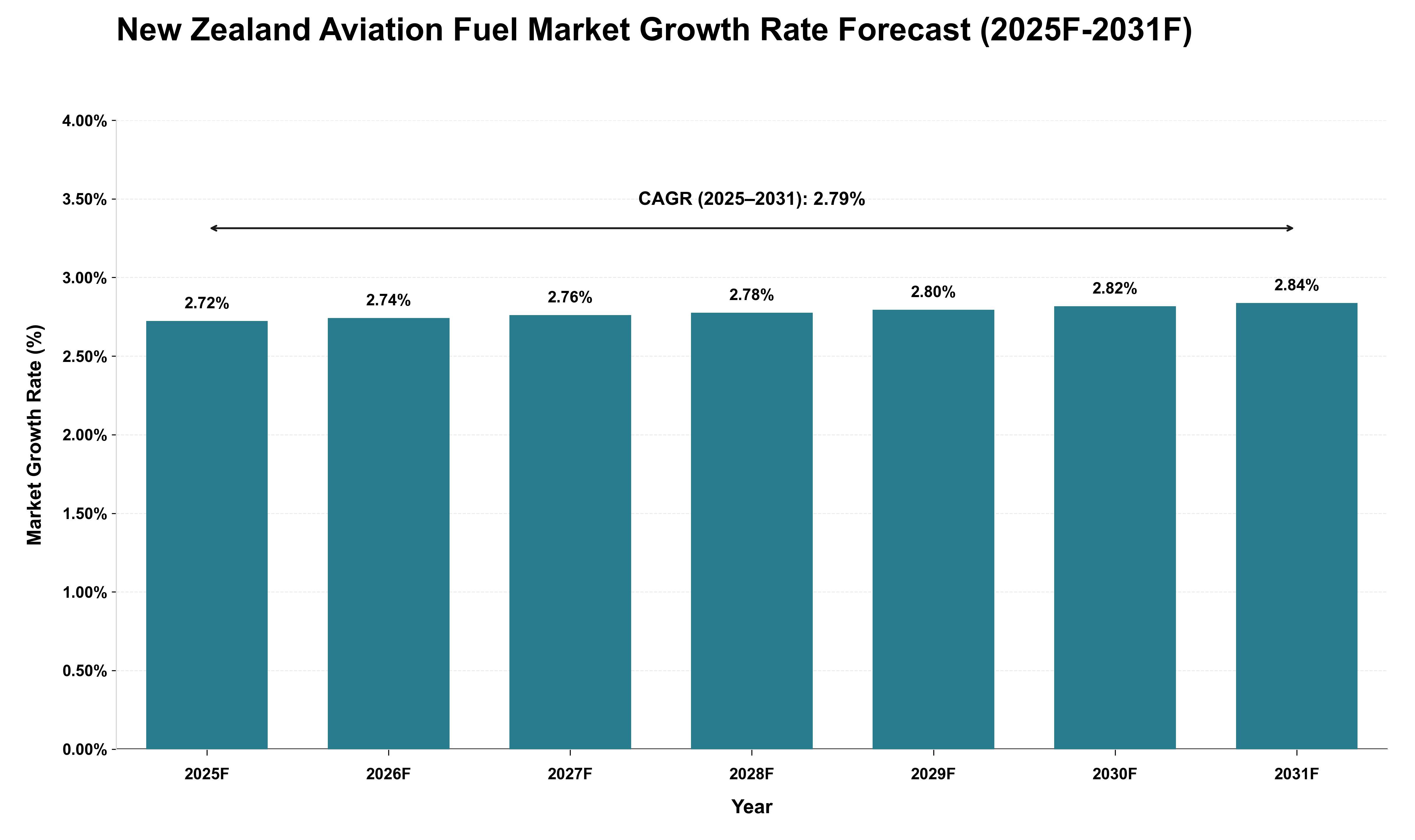
The New Zealand aviation fuel market will experience a steady growth trajectory driven by technological advancements and shifts in product substitution. As the industry increasingly adopts more efficient fuel technologies, the projected CAGR of 2.79% will reflect a gradual transition towards sustainable aviation fuels (SAFs) and alternative energy sources, which are anticipated to gain traction amid global environmental initiatives. The annual growth rates from 2025 to 2031, ranging from 2.72% to 2.84%, indicate a consistent upward trend as demand for air travel rebounds post-pandemic, coupled with regulatory pressures to reduce carbon emissions. Additionally, New Zealand's reliance on imported aviation fuels will necessitate strategic partnerships and investments in refining capabilities, further influencing market dynamics. This evolving landscape will likely foster innovation while addressing cyclical fluctuations in global oil prices and supply chain disruptions that could impact fuel availability and pricing strategies during this period.
Key Highlights of the Report:
- New Zealand Aviation Fuel Market Outlook
- Market Size of New Zealand Aviation Fuel Market, 2024
- Forecast of New Zealand Aviation Fuel Market, 2031
- Historical Data and Forecast of New Zealand Aviation Fuel Revenues & Volume for the Period 2021- 2031
- New Zealand Aviation Fuel Market Trend Evolution
- New Zealand Aviation Fuel Market Drivers and Challenges
- New Zealand Aviation Fuel Price Trends
- New Zealand Aviation Fuel Porter's Five Forces
- New Zealand Aviation Fuel Industry Life Cycle
- Historical Data and Forecast of New Zealand Aviation Fuel Market Revenues & Volume By Fuel Type for the Period 2021- 2031
- Historical Data and Forecast of New Zealand Aviation Fuel Market Revenues & Volume By Air Turbine Fuel (ATF) for the Period 2021- 2031
- Historical Data and Forecast of New Zealand Aviation Fuel Market Revenues & Volume By Aviation Biofuel for the Period 2021- 2031
- Historical Data and Forecast of New Zealand Aviation Fuel Market Revenues & Volume By Others for the Period 2021- 2031
- Historical Data and Forecast of New Zealand Aviation Fuel Market Revenues & Volume By Application for the Period 2021- 2031
- Historical Data and Forecast of New Zealand Aviation Fuel Market Revenues & Volume By Commercial Aircraft for the Period 2021- 2031
- Historical Data and Forecast of New Zealand Aviation Fuel Market Revenues & Volume By Military Aircraft for the Period 2021- 2031
- Historical Data and Forecast of New Zealand Aviation Fuel Market Revenues & Volume By General Aviation for the Period 2021- 2031
- New Zealand Aviation Fuel Import Export Trade Statistics
- Market Opportunity Assessment By Fuel Type
- Market Opportunity Assessment By Application
- New Zealand Aviation Fuel Top Companies Market Share
- New Zealand Aviation Fuel Competitive Benchmarking By Technical and Operational Parameters
- New Zealand Aviation Fuel Company Profiles
- New Zealand Aviation Fuel Key Strategic Recommendations






































