Singapore Ethanol Market | Country-Wise Share and Competition Analysis
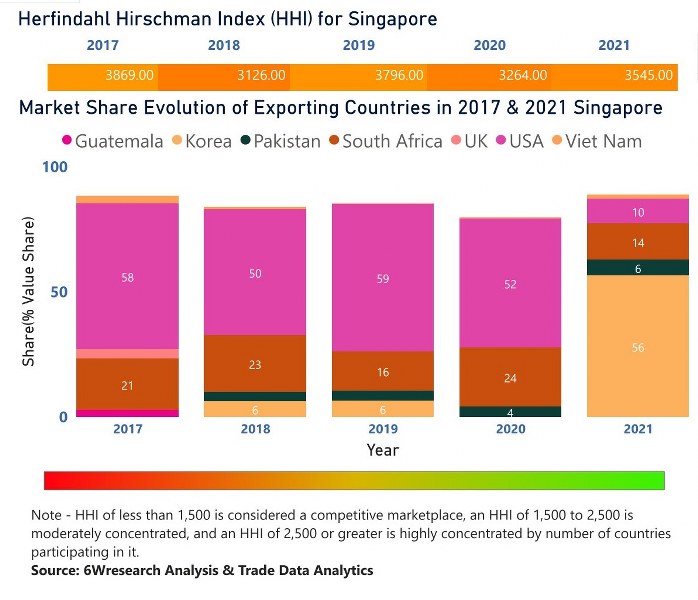
Singapore Ethanol Market - Export Market Opportunities
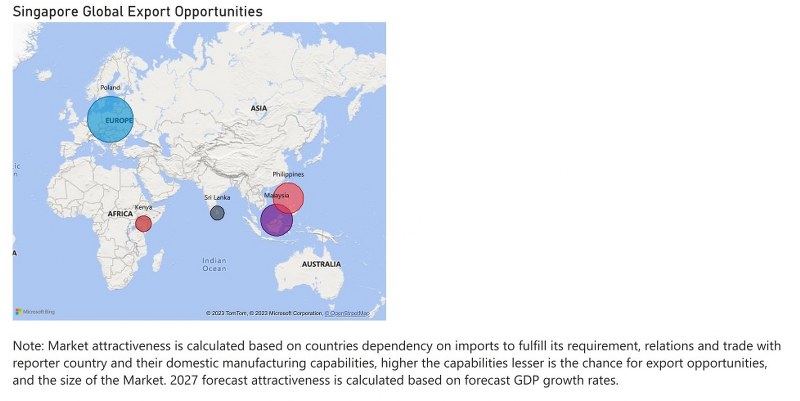 Singapore Ethanol Market Synopsis
Singapore Ethanol Market is anticipated to register growth over the upcoming years owing to the increasing consumption of alcoholic beverages along with changing preferences and tastes of people, changing lifestyles, growing urban population, and increasing disposable income. Moreover, the rising usage of ethanol as a biofuel and increasing import of alcoholic beverages among the increased knowledge regarding ingredients would fuel the demand for the ethanol market in Singapore.
According to 6wresearch, the Singapore Ethanol Market size is expected to grow during 2026-2032. The ethanol market in Singapore is expected to go through a decline in the economic growth on account of the spread of coronavirus pandemic in the country which has impacted various sectors including the chemical sector and has imbalance the demand and supply of ethanol. However, the market in the country is expected to regain in the near future with a strong economy.
Based on the application, the beverages segment is leading the ethanol market revenue share in Singapore due to the growing popularity of the premium quality alcoholic beverages in the country along with increasing foreign trade of alcoholic beverages. In terms of purity, the denatured segment is anticipated to hold the ethanol market revenue share during the forecast period in Singapore as it can combine with other chemicals along with rising demand for the household chemical industry.
The Singapore Ethanol Market report thoroughly covers the Singapore Ethanol Market by purity, source, and application. The Singapore Ethanol Market outlook report provides an unbiased and detailed analysis of the on-going Singapore Ethanol Market trends, opportunities/high growth areas, market drivers, and Singapore Ethanol Market share by companies, which would help stakeholders to device and align market strategies according to the current and future market dynamics.
Key Attractiveness of the Report
- 10 Years of Market Numbers.
- Historical Data Starting from 2022 to 2025.
- Base Year: 2025
- Forecast Data until 2032.
- Key Performance Indicators Impacting the market.
- Major Upcoming Developments and Projects.
Key Highlights of the Report:
- Singapore Ethanol Market Overview
- Singapore Ethanol Market Outlook
- Singapore Ethanol Market Forecast
- Historical Data of Singapore Ethanol Market Revenues and Volumes, for the Period 2022-2032.
- Market Size & Forecast of Singapore Ethanol Market Revenues and Volumes, until 2032.
- Historical Data of Singapore Ethanol Market Revenues and Volumes, by purity, for the Period 2022-2032.
- Market Size & Forecast of Singapore Ethanol Market Revenues and Volumes, by purity, until 2032.
- Historical Data of Singapore Ethanol Market Revenues and Volumes, by Source, for the Period 2022-2032.
- Market Size & Forecast of Singapore Ethanol Market Revenues and Volumes, by source, until 2032.
- Historical Data of Singapore Ethanol Market Revenues and Volumes, by application, for the Period 2016-2032.
- Market Size & Forecast of Singapore Ethanol Market Revenues and Volumes, by application, until 2032.
- Market Drivers and Restraints
- Singapore Ethanol Market Price Trends
- Singapore Ethanol Market Trends and Industry Life Cycle
- Porter’s Five Force Analysis
- Market Opportunity Assessment
- Singapore Ethanol Market Share, By Players
- Singapore Ethanol Market Overview on Competitive Benchmarking
- Company Profiles
- Key Strategic Recommendations
Markets Covered
The Singapore Ethanol Market report provides a detailed analysis of the following market segments:
- By Purity:
-
- Denatured
- Non-Denatured
- By Source:
-
- Sugar & molasses Based
- Second Generation
- Grain Based
- By Application:
- Fuel & Fuel Additives
- Disinfectant
- Industrial Solvents
- Personal Care
- Beverages
- Others






































