Sri Lanka Organic Shampoo Market: Import Trend Analysis
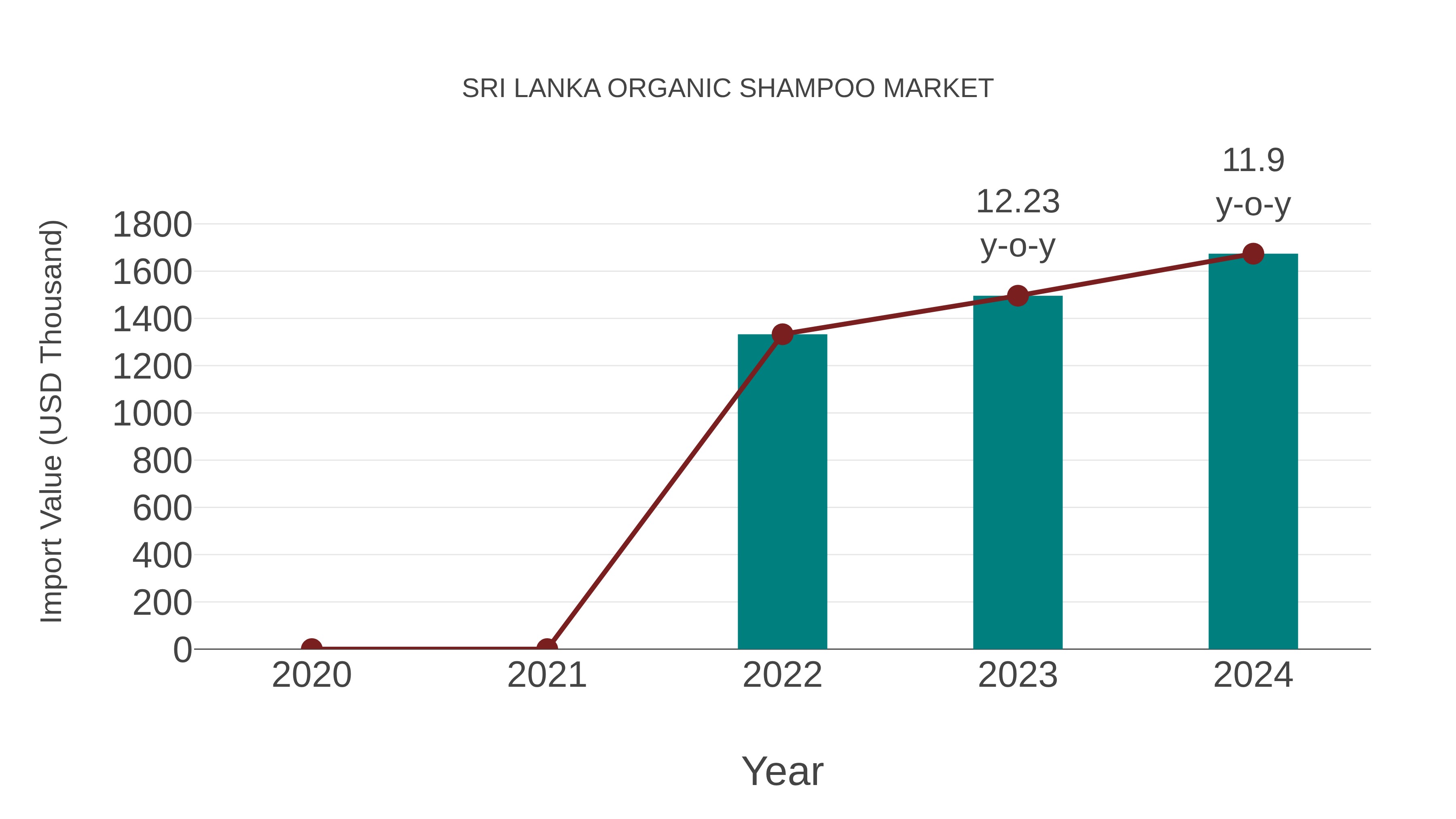
In 2023, Sri Lanka experienced an 11.9% growth in organic shampoo imports, with a compound annual growth rate (CAGR) of 12.06% from 2020 to 2024. This upward trend can be attributed to the increasing consumer awareness of organic products and the growing demand for sustainable personal care items in the market.
Sri Lanka Organic Shampoo Market Overview
The Sri Lanka organic shampoo market is experiencing steady growth driven by increasing consumer awareness about the benefits of natural and organic products. With a growing concern for personal health and environmental sustainability, consumers are shifting towards organic shampoos that are free from harmful chemicals and synthetic ingredients. Key players in the market are focusing on product innovation, using organic ingredients such as coconut oil, aloe vera, and herbal extracts to cater to the diverse needs of consumers. The market is also witnessing a surge in online sales channels, offering convenience and a wider product selection to customers. As the demand for organic and eco-friendly products continues to rise in Sri Lanka, the organic shampoo market is expected to expand further in the coming years.
Sri Lanka Organic Shampoo Market Trends and Opportunities
The Sri Lanka Organic Shampoo Market is experiencing a growing demand for natural and eco-friendly hair care products, driven by increasing consumer awareness of the harmful effects of chemicals in traditional shampoos. Key trends in the market include the rising popularity of organic ingredients such as coconut oil, aloe vera, and herbal extracts, as well as the introduction of innovative formulations targeting specific hair concerns. Opportunities in the market lie in the development of sustainable packaging solutions, expansion of product lines to cater to diverse hair types, and increasing online presence to reach a wider consumer base. With a focus on promoting wellness and sustainability, the Sri Lanka Organic Shampoo Market is poised for continued growth and innovation in the coming years.
Sri Lanka Organic Shampoo Market Challenges
In the Sri Lanka organic shampoo market, some key challenges include limited consumer awareness and education about the benefits of organic products, leading to low demand. Additionally, the higher price point of organic shampoos compared to conventional products can be a barrier for price-sensitive consumers in Sri Lanka. Distribution and availability issues also hinder the growth of the organic shampoo market, as these products may not be easily accessible in rural areas. Furthermore, there may be a lack of regulatory standards and certifications specific to organic hair care products in Sri Lanka, which can impact consumer trust and confidence in the authenticity of the products. Overcoming these challenges will require targeted marketing efforts, pricing strategies, improved distribution networks, and collaboration with relevant authorities to establish clear standards for organic hair care products in the country.
Sri Lanka Organic Shampoo Market Drivers
The Sri Lanka Organic Shampoo market is primarily driven by increasing consumer awareness and concerns about the harmful effects of synthetic chemicals on hair and scalp health. With growing interest in natural and organic products, consumers are seeking safer and environmentally-friendly alternatives, leading to a rise in demand for organic shampoos. The trend towards sustainable living and ethical consumerism is also influencing purchasing decisions, driving the adoption of organic hair care products. Additionally, the availability of a wide range of organic shampoo options, including products tailored for specific hair types and concerns, is further fueling market growth. Overall, the shift towards healthier lifestyles and the preference for natural ingredients are key drivers shaping the Sri Lanka Organic Shampoo market.
Sri Lanka Organic Shampoo Market Government Policies
The Sri Lankan government has implemented several policies to support the organic shampoo market in the country. These policies include promoting organic agriculture through subsidies and incentives, providing certification and quality standards for organic products, and encouraging sustainable practices in the production and distribution of organic shampoos. Additionally, the government has taken steps to increase awareness among consumers about the benefits of organic products and the importance of supporting local organic producers. Overall, these policies aim to boost the growth of the organic shampoo market in Sri Lanka, promote environmental sustainability, and improve the livelihoods of local farmers and producers in the organic sector.
Sri Lanka Organic Shampoo Market Future Outlook
The future outlook for the Sri Lanka Organic Shampoo Market appears promising, with increasing consumer awareness about the benefits of organic and natural products driving demand. The market is expected to witness steady growth as more consumers prioritize sustainability, health, and wellness in their purchasing decisions. Factors such as the rise of eco-friendly lifestyles, growing concerns about harmful chemicals in traditional shampoos, and the availability of a wide range of organic options are likely to contribute to the market`s expansion. Additionally, the government`s support for organic agriculture and sustainable practices is expected to further boost the market. Overall, the Sri Lanka Organic Shampoo Market is poised for growth and innovation in the coming years.
Key Highlights of the Report:
- Sri Lanka Organic Shampoo Market Outlook
- Market Size of Sri Lanka Organic Shampoo Market, 2025
- Forecast of Sri Lanka Organic Shampoo Market, 2032
- Historical Data and Forecast of Sri Lanka Organic Shampoo Revenues & Volume for the Period 2022 - 2032F
- Sri Lanka Organic Shampoo Market Trend Evolution
- Sri Lanka Organic Shampoo Market Drivers and Challenges
- Sri Lanka Organic Shampoo Price Trends
- Sri Lanka Organic Shampoo Porter's Five Forces
- Sri Lanka Organic Shampoo Industry Life Cycle
- Historical Data and Forecast of Sri Lanka Organic Shampoo Market Revenues & Volume By Distribution Channel for the Period 2022 - 2032F
- Historical Data and Forecast of Sri Lanka Organic Shampoo Market Revenues & Volume By Supermarkets/hypermarkets for the Period 2022 - 2032F
- Historical Data and Forecast of Sri Lanka Organic Shampoo Market Revenues & Volume By Specialty stores for the Period 2022 - 2032F
- Historical Data and Forecast of Sri Lanka Organic Shampoo Market Revenues & Volume By Online for the Period 2022 - 2032F
- Sri Lanka Organic Shampoo Import Export Trade Statistics
- Market Opportunity Assessment By Distribution Channel
- Sri Lanka Organic Shampoo Top Companies Market Share
- Sri Lanka Organic Shampoo Competitive Benchmarking By Technical and Operational Parameters
- Sri Lanka Organic Shampoo Company Profiles
- Sri Lanka Organic Shampoo Key Strategic Recommendations






































